
Cabinet clears ₹14,500 crore scheme to add 92 GWh of grid storage by 2031
The Centre will fund part of the cost of pumped-hydro and battery projects so that more solar and wind power can be stored and used after sunset.
The Global Sun Desk ·
The Union Cabinet on 4 November approved a viability gap funding scheme worth ₹14,500 crore to build 92 gigawatt-hours (GWh) of grid-scale energy storage. Information and Broadcasting Minister Ashwini Vaishnaw briefed reporters in New Delhi after the meeting.
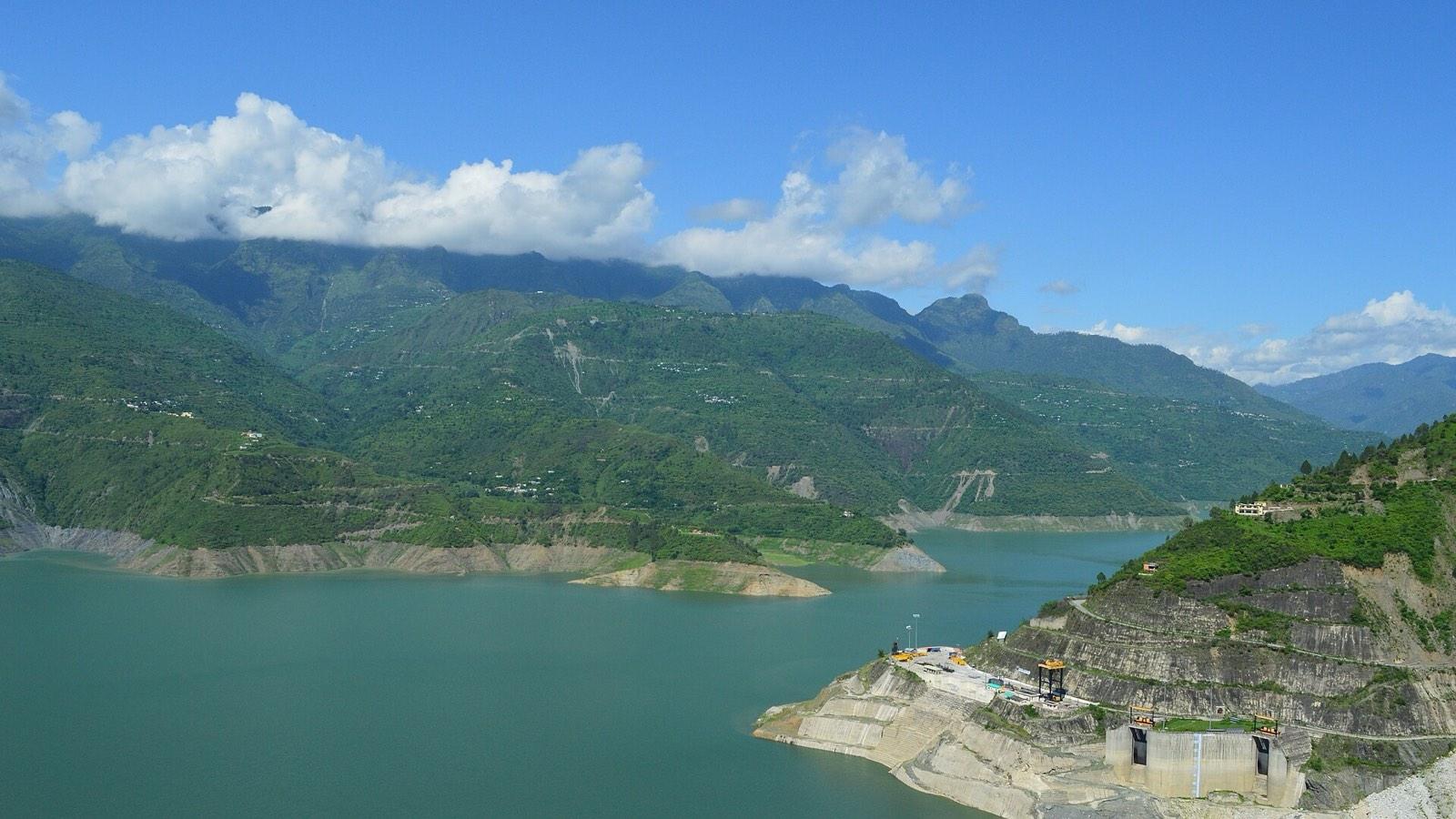
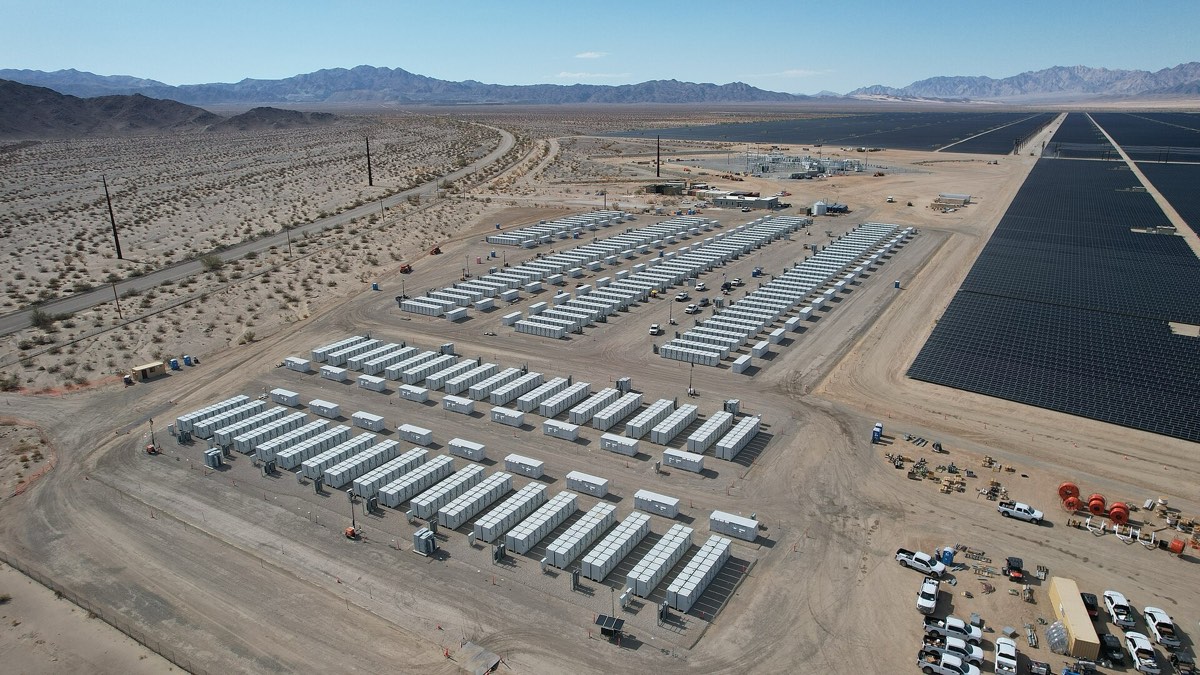
The scheme runs from 2026-27 to 2030-31. Of the 92 GWh, 60 GWh will come from pumped-storage hydro projects, 30 GWh from battery energy storage systems and 2 GWh from newer technologies. Government figures put this at about 170 per cent of the grid-scale storage India has today, and the projects are expected to draw around ₹97,600 crore of investment in total.
Why storage matters
Solar and wind plants generate power only when the sun shines or the wind blows. Storage lets that electricity be held and released when demand peaks, which supports round-the-clock supply and reduces reliance on fossil-fuel plants. The government's papers say India will need about 411 GWh of grid-scale storage by 2031-32, and this scheme is meant to cover a part of that.
Viability gap funding is a one-time capital grant for projects that are useful to the system but would not otherwise earn enough to be commercially viable, because the upfront cost is high and the returns are slow. Here, the grant is meant to close that gap so that developers can bid for projects.
How it will work
Capacity will be awarded by competitive bidding on tariffs. State-run and private electricity distribution companies can receive support for both battery and pumped-hydro projects, while the newer technologies can be developed by public or private entities. The scheme will be carried out with state governments, and capacity is to be spread across the country.
Battery projects must meet a minimum 40 per cent domestic content requirement. The government says this will encourage domestic manufacturing and create opportunities for Indian industry, and that it complements the existing incentives for battery manufacturing.
Mr Vaishnaw said India had set "new global standards in the deployment of clean energy". He added that non-fossil sources now supply close to 52 per cent of India's installed power generation capacity.
What happens next
The Cabinet approval sets the framework; the actual projects will be chosen later through the bidding process. Selection, construction and commissioning are separate steps, so the storage will be added over the five-year period rather than all at once. Reports did not give the grant amount per unit of storage, which will matter to bidders.