
Cyclone Arnab leaves at least six dead after landfall in Andhra Pradesh
The very severe cyclonic storm crossed the coast near Narsapur early on Wednesday, after about 180,000 people were moved out of its path in Andhra Pradesh and Odisha.
The Global Sun Desk ·
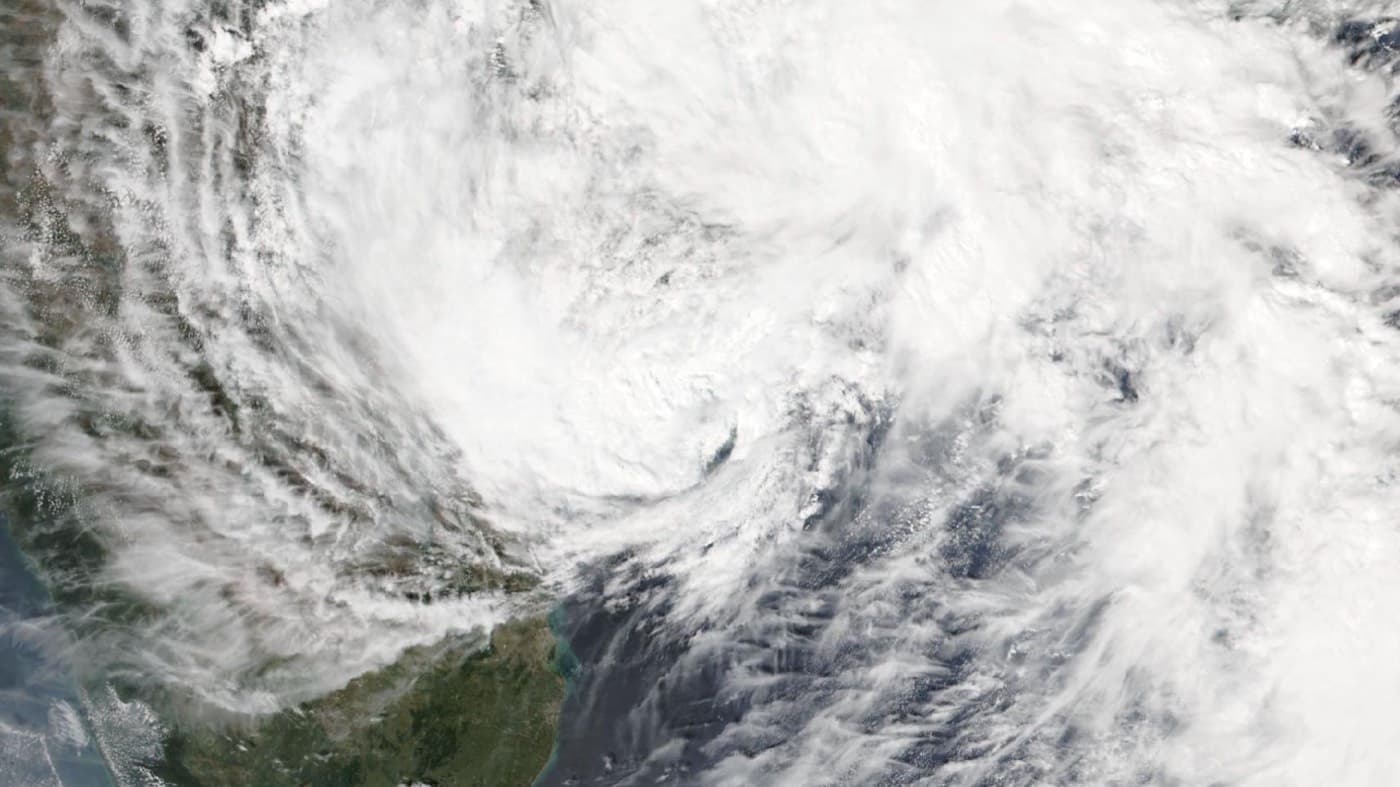
Cyclone Arnab made landfall on the Andhra Pradesh coast near Narsapur in the early hours of Wednesday, 28 October, and at least six people have died, according to a state government official quoted by Reuters. Power was cut across parts of the coastal districts. The India Meteorological Department (IMD) put the point of landfall about 20 km east-northeast of Narsapur, with winds of up to 135 km/h, and said the system then weakened to a severe cyclonic storm.
The toll is still being counted
Reports differ on how many people died. The National Disaster Response Force (NDRF) first counted three dead and 31 houses damaged, its Inspector General, Narendra Singh Bundela, told reporters. On Thursday Reuters reported that the state official gave the official toll as six, while The Times of India, citing local officials, counted nine. The Indian Express wrote that seven people had reportedly died but that the state had issued no official figure. The deaths were put down to electrocution from fallen wires, falling trees and, in some reports, collapsed houses.
Chief Minister N Chandrababu Naidu asked Union Home Minister Amit Shah, in a letter, to send a central team to assess the losses. The Pioneer reported that the letter said the cyclone had caused no human casualties and called its figures provisional, a statement that sits uneasily with the NDRF count. It reported damage to crops, paddy among them, over about 70,900 hectares, and said around 180 houses, mostly in Konaseema district, had been hit and over 220 trees had come down on state roads.
In a later statement quoted by Reuters, Naidu said no fewer than 15,000 electricity poles had been damaged and that power had returned in most districts except Konaseema and West Godavari. He credited better technology for helping the administration pick out the areas at greatest risk, which he said kept the loss of life and property lower.
Evacuations and disruption
Before landfall, more than 180,000 people were moved from the storm's likely path in Andhra Pradesh and Odisha, Reuters reported. The Indian Express said Andhra Pradesh opened 290 shelters for about 84,000 people, while Odisha moved more than 30,000 and kept 2,037 cyclone shelters ready. All 19,143 fishing boats in Odisha were back on shore.

Railways cancelled at least 91 trains, and 38 flights to and from Visakhapatnam were scrapped on Wednesday, The Pioneer reported. Visakhapatnam received 217 mm of rain. A cargo vessel flying the Marshall Islands flag, with 20 crew, ran aground off the Andhra coast and was still stuck on Thursday because the sea stayed rough. In all, 39 NDRF teams and 80 State Disaster Response Force teams were deployed across Andhra Pradesh, Odisha and other states.
What made Arnab stronger
Arnab was the first cyclone of 2026 in the North Indian Ocean. It started as a low-pressure area in the south-east Bay of Bengal on 23 October and had become a named cyclone by 26 October, The Indian Express explained. It then strengthened rapidly and moved towards land faster than forecast, so the IMD brought its landfall forecast forward by several hours. The storm held its strength for at least six hours after crossing the coast.
The explainer adds that this year's El Nino is projected to rank among the strongest on record. Odisha and West Bengal are usually the most cyclone-prone stretches of the east coast, it says, but in El Nino years storms from the basin tend to strike Andhra Pradesh and Tamil Nadu instead, largely because of where they form and the track they follow.