
ISRO's GSLV-F18 puts NVS-03 in orbit, restoring NavIC's minimum strength
The late-night launch from Sriharikota on 30 October brings the navigation constellation back to four working satellites after a run of failures and clock faults.
The Global Sun Desk ·
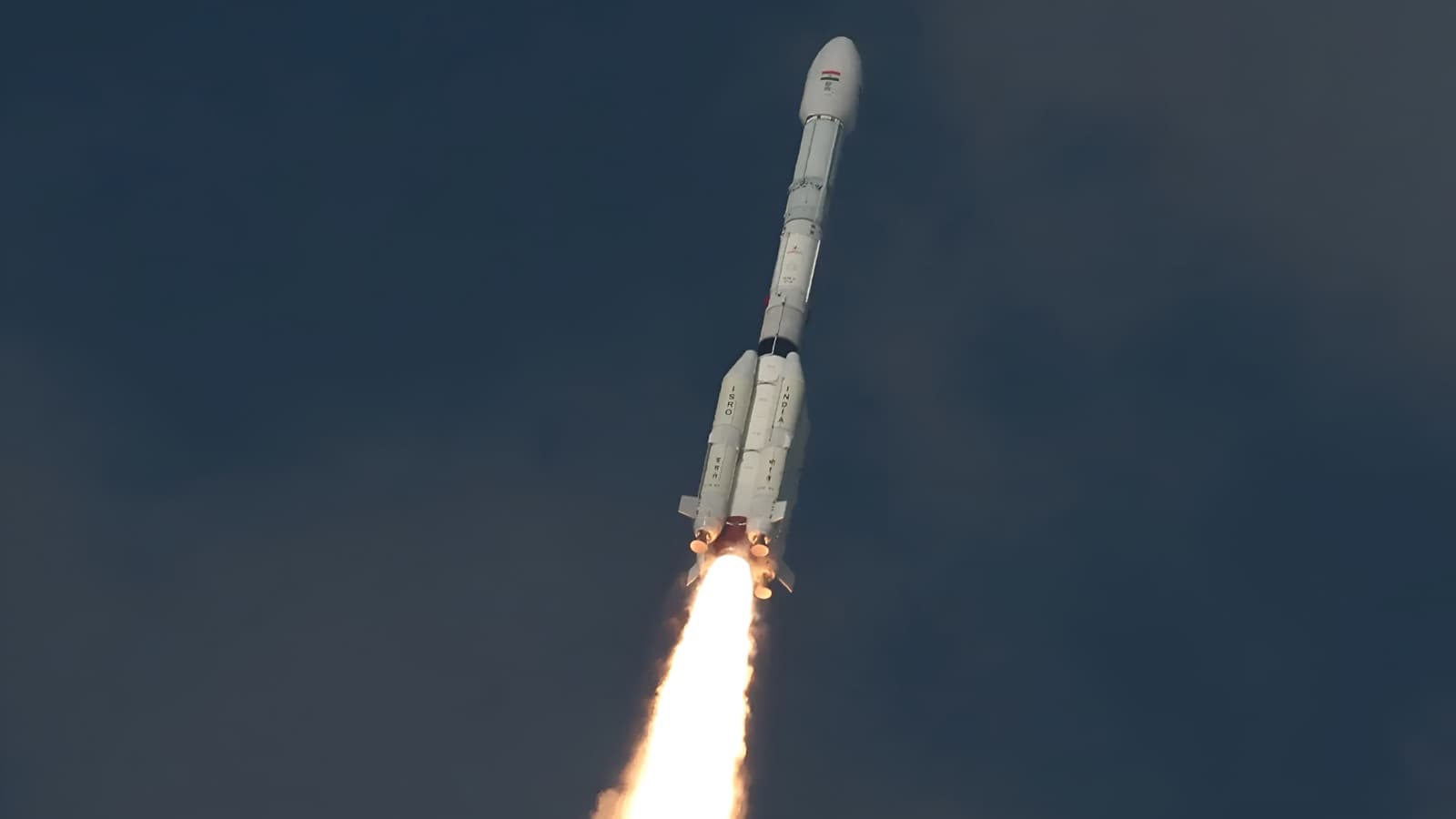
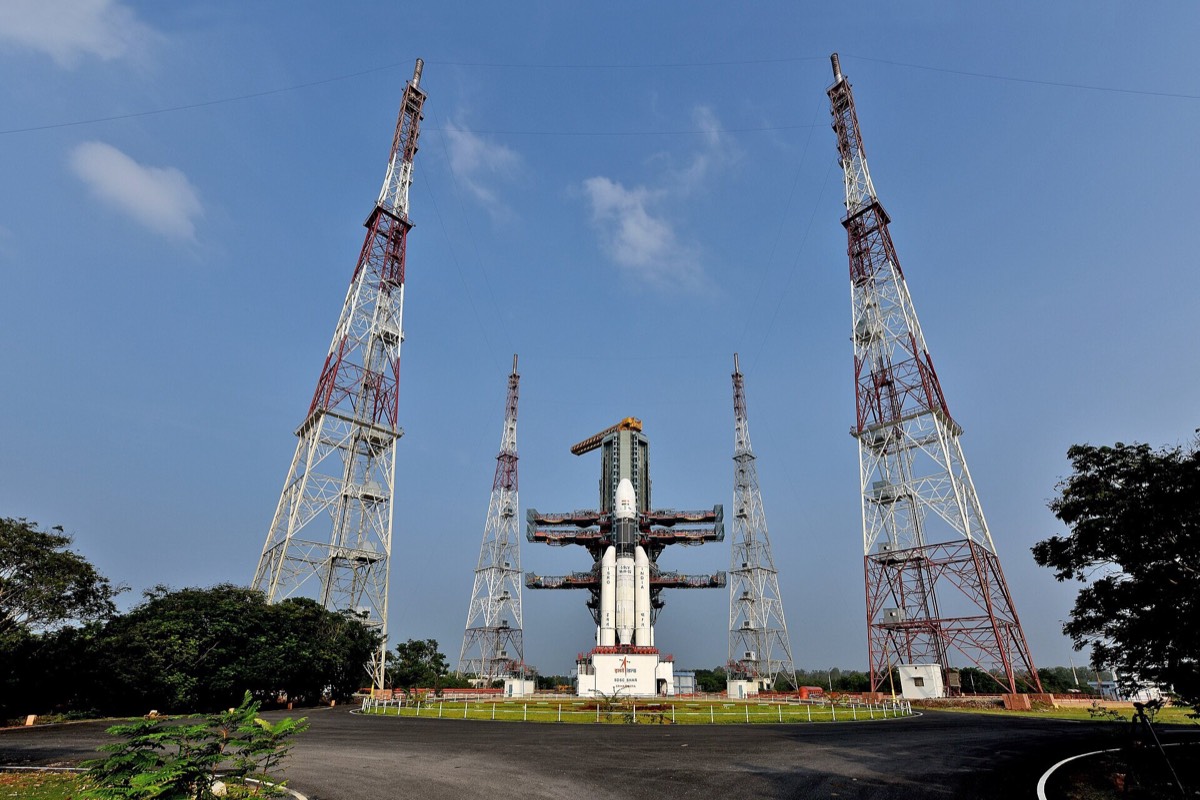
ISRO's GSLV-F18 rocket launched the navigation satellite NVS-03 from Sriharikota's Satish Dhawan Space Centre late on Friday, 30 October, and placed it in the intended geosynchronous transfer orbit about 18 minutes after lift-off. The launch brings India's regional navigation system, NavIC, back to the four satellites it needs to offer positioning services.
The 50-metre, three-stage rocket lifted off at 11.51 pm from the second launch pad, according to Press Trust of India. ISRO Chairman V Narayanan said the satellite was injected "successfully and precisely", and that all vehicle systems performed as expected. The target orbit was 170.3 km by 37,247 km, and the satellite reached 170.3 km by 38,080 km, which Narayanan called one of the best accuracy results for any launch vehicle.
Why the launch matters
NVS-03 is the third spacecraft of ISRO's second-generation navigation series. It carries an indigenous atomic clock alongside imported ones, and adds an L1 signal to the existing L5 and S-band signals. Its coverage extends over India and about 1,500 km beyond its borders. The satellite is designed for a 12-year life.
NavIC had been weakened by atomic clock failures and by the loss of its predecessor, NVS-02, which did not reach its intended orbit after launch in January 2025. The last functioning clock on the older IRNSS-1F stopped working on 13 March this year. The government has told Parliament that NavIC had only three satellites providing positioning, navigation and timing, and that four are required for a standalone positioning service, The Indian Express noted. Narayanan said NVS-03 restores the minimum four-satellite configuration.
Fixing what failed on NVS-02
An ISRO panel concluded after NVS-02 that the signal to fire the pyro valve on its engine's oxidiser line did not get through, most likely because a contact in the connector had come loose, on both the main and the backup path. To get round this, Narayanan said, NVS-03 flew with three pyro valves open from the start. A national-level committee headed by former ISRO chief Kiran Kumar validated that decision after vibration and shock testing.
Over the coming week the spacecraft will carry out manoeuvres from its elliptical orbit to its final high circular one. Narayanan said its solar panels have deployed and all systems are working normally.
Pace and what comes next
The mission came 56 days after the GSLV-F17 launch of EOS-05 on 4 September, the shortest gap between two GSLV missions, Narayanan said. By The Hindu's count, it was only ISRO's third launch of 2026, after the failed PSLV-C62 flight on 12 January and the successful EOS-05 mission.
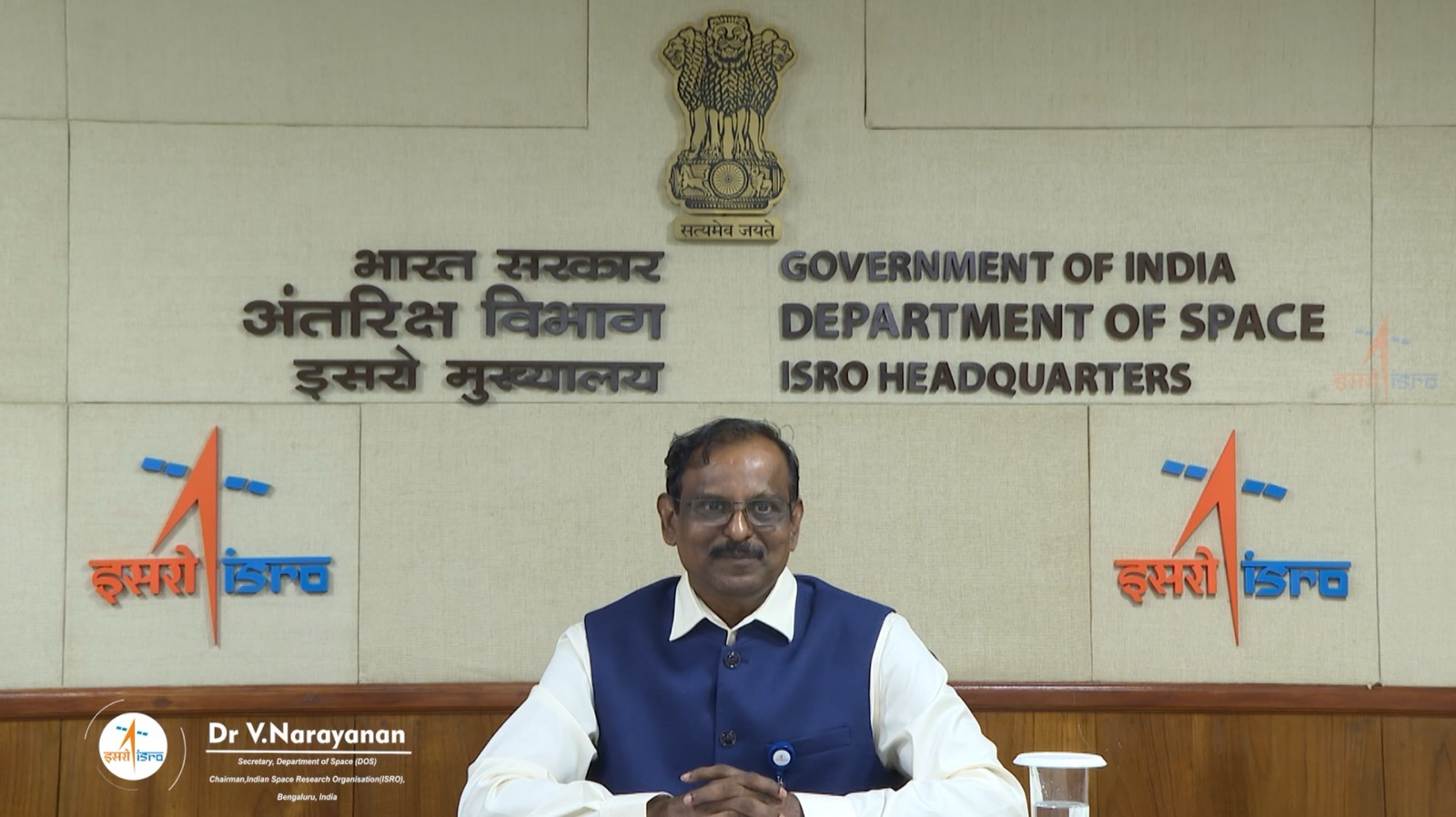
Next in line are NVS-04, due in five months, and NVS-05, due in ten. Narayanan said it expects five more launches this financial year, including the first uncrewed Gaganyaan mission, G1. In real time, NavIC currently follows 64,000 fishing vessels and 10,400 locomotives, and ISRO aims to raise the fishing-vessel figure to one lakh within six months. Support on ordinary mobile phones will wait until the complete constellation of seven satellites is in place.
Prime Minister Narendra Modi described the launch as a significant step towards strengthening NavIC, which he called India's own satellite navigation system. Union Minister Jitendra Singh congratulated ISRO's teams on X.