
US curbs remote access to advanced AI chips and adds licences for five countries
A new Commerce Department rule targets Chinese firms renting computing power abroad and requires export licences for chips going to Indonesia, Malaysia, Singapore, Thailand and Brazil.
The Global Sun Desk ·

The United States has issued a rule meant to stop Chinese companies from getting around chip export controls by renting advanced computing power in data centres abroad. The interim final rule was published by the Commerce Department's Bureau of Industry and Security on Monday, 16 November. The bureau said the Treasury Department and the National Security Council drafted it and directed the work.
Until now, a company barred from buying advanced US AI chips could still use them by renting capacity in a data centre in a third country. The rule says existing restrictions on sensitive American technology cannot be bypassed through remote computing arrangements.
What the rule requires
Suppliers must obtain a licence before equipping any data centre, wherever it is, that serves firms based in China, Macau or other countries in the US D:5 group, once the centre passes a threshold of 12 million units of aggregate total processing performance. Centres that already have such customers get 90 days after the rule begins to secure a licence.
Licences will also be needed to send advanced chips to five countries, Indonesia, Malaysia, Singapore, Thailand and Brazil, which the rule says carry a "higher-than-normal risk of diversion". India is not among the five. US-headquartered companies in those countries are exempt if they file monthly reports on the parties involved, their parent companies, the processing performance of each product and the quantities shipped. Recommendation systems used by online retailers and social media firms are also exempt.
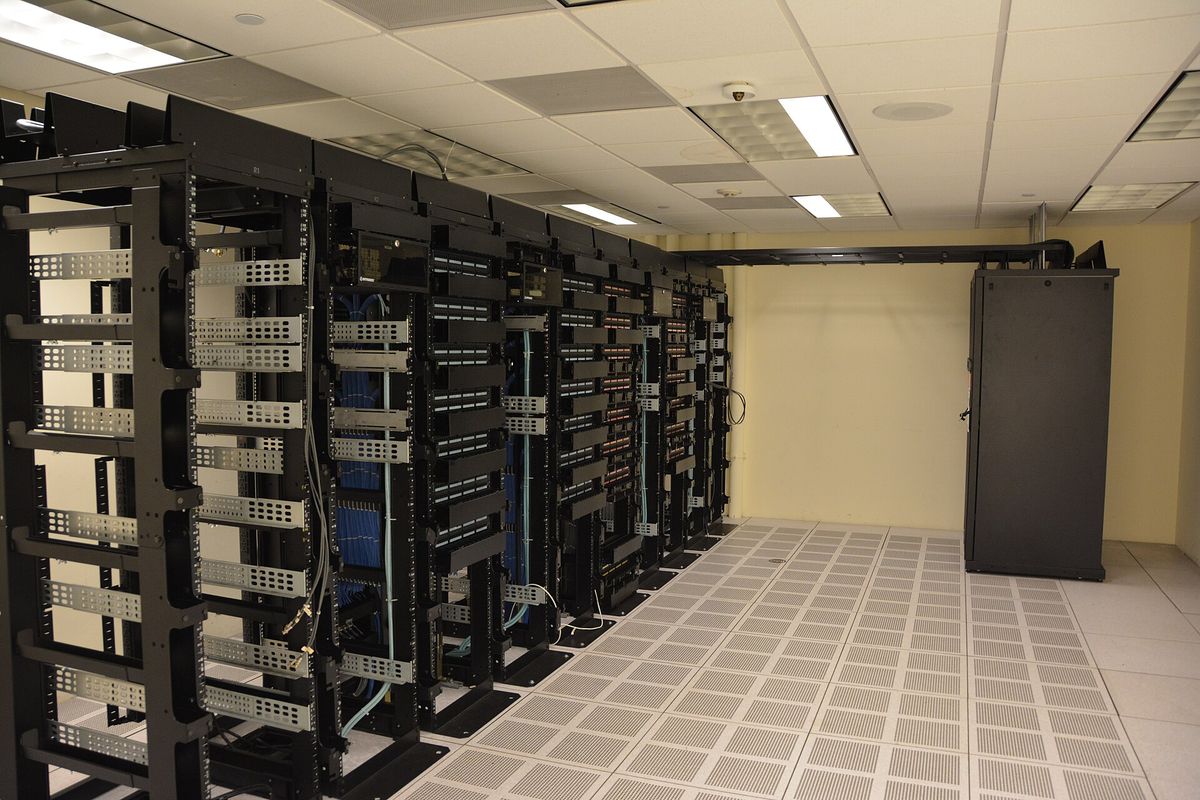
Data centres, foreign chip foundries and exporters must check whether customers are owned or controlled, directly or indirectly, by people in D:5 countries or Macau. The rule also adds scrutiny for foundries and packaging firms that produce advanced chips on behalf of designers in the newly covered countries. It formally cancels the Biden administration's AI Diffusion Rule, which was never put into force. Commerce said it would watch countries that tolerate evasion and could respond with curbs on imports, fresh licensing requirements or listings on the Entity List.
Reaction
The rule takes effect when it is published in the Federal Register, after which the public has 60 days to comment. According to Bloomberg, as cited by The Next Web, Nvidia shares fell by as much as 2.9% and the Philadelphia Semiconductor Index by as much as 5.5%.
The Council on Foreign Relations' Chris McGuire called the rule "a major step forward" but warned of gaps that remain, among them some that concern activity within the US. Joshua Kurlantzick, also of the council, said: "For Malaysia, the controls could be disastrous." Analysts quoted by Fortune said the rule could hurt Southeast Asian countries that hope to host data centres for Chinese firms.
US President Donald Trump was due to meet China's Xi Jinping in Shenzhen on Thursday.