
ASI finds missing head of Khajuraho's Vishnu statue and prepares to reattach it
The head of the seven-foot idol at the 11th-century Javari Temple was in an ASI repository, officials said, after a long campaign to see the statue restored.
The Global Sun Desk ·
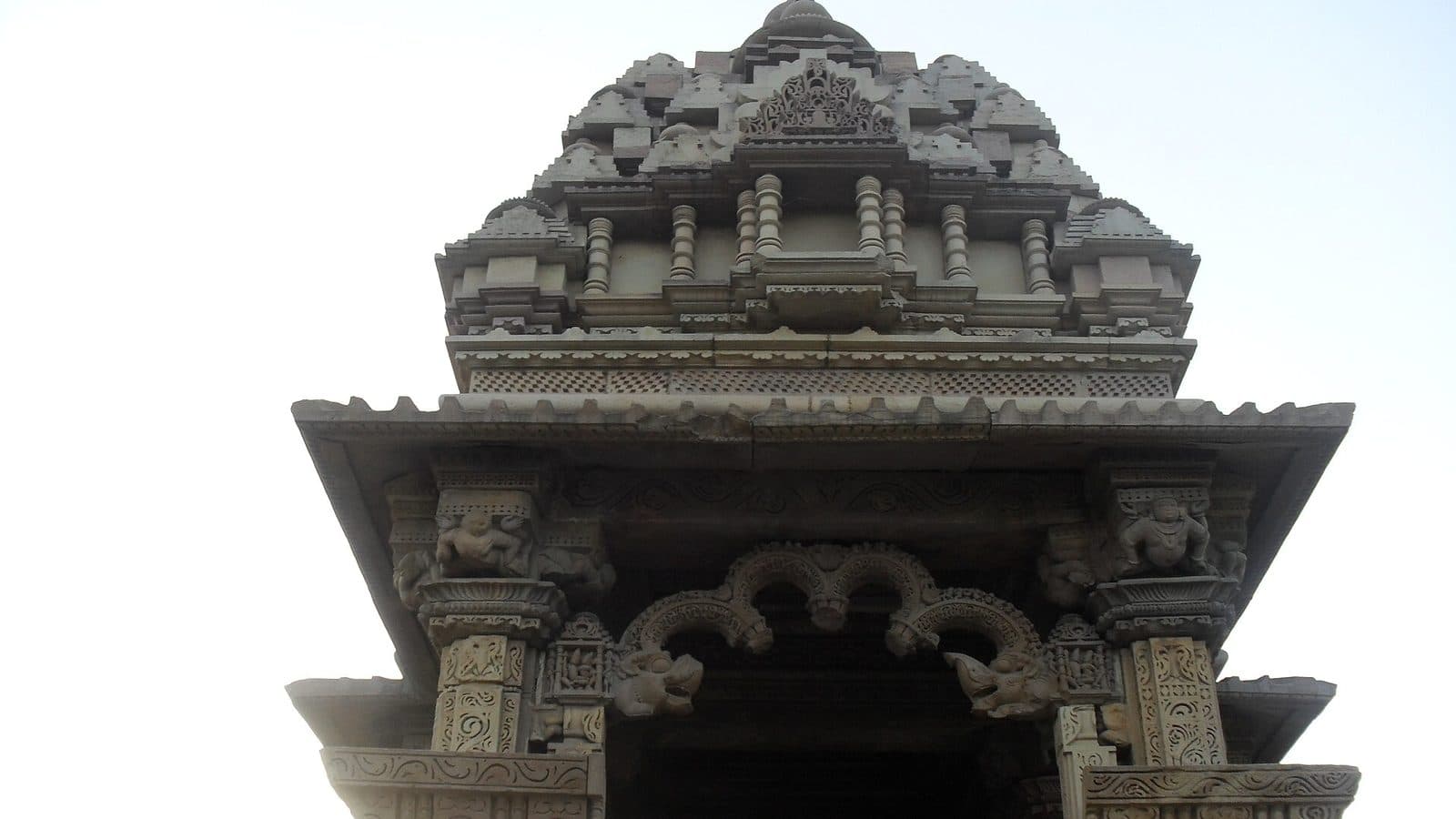
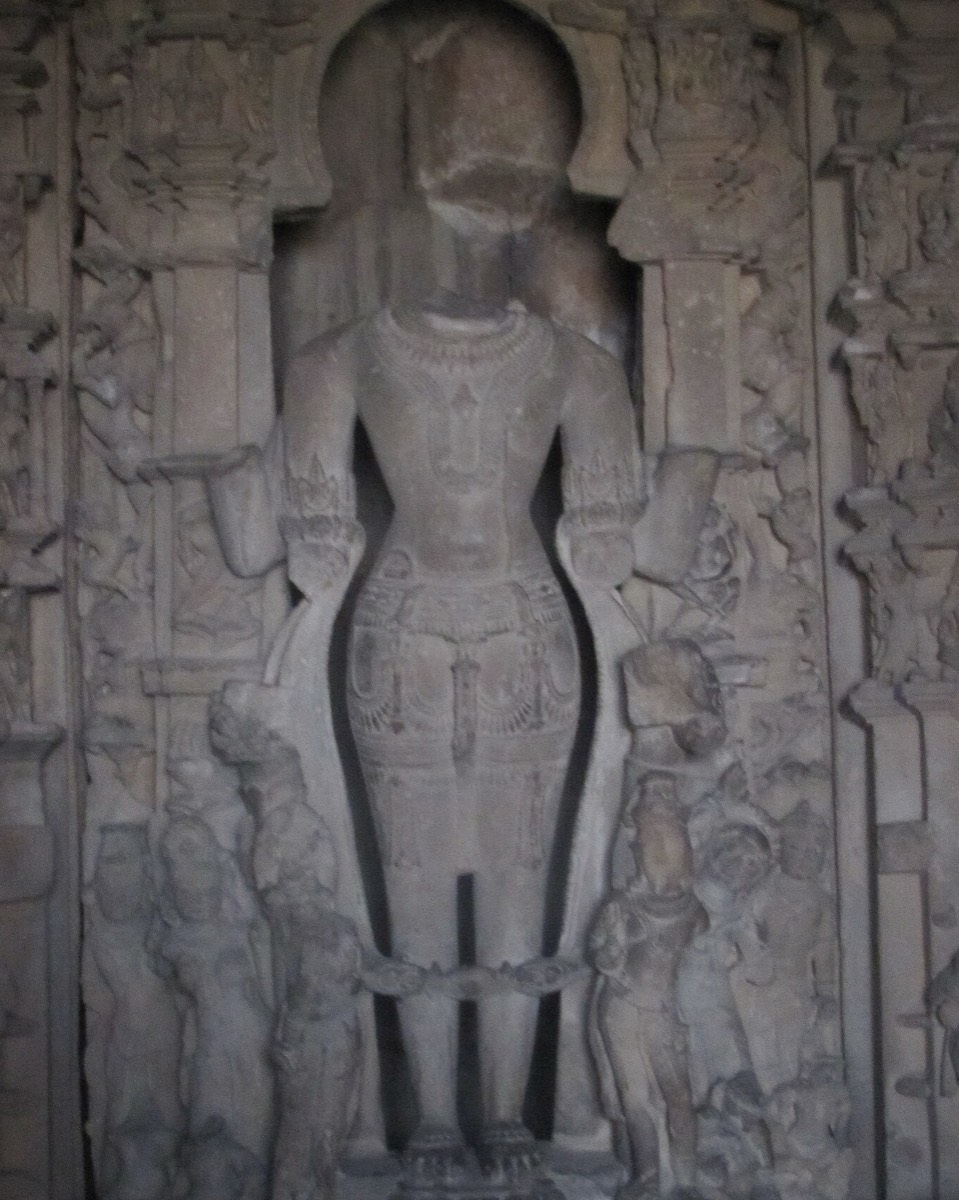
The Archaeological Survey of India (ASI) has traced the head that went missing from the seven-foot Vishnu statue at the 11th-century Javari Temple in Khajuraho, Madhya Pradesh, and has begun preparing to reattach it, ETV Bharat reported on 31 October. The head had been in the ASI's own repository at Khajuraho.
ASI officials identified it from old photographs of the statue, using the stone, its colour, the proportions and the distinctive design of Vishnu's crown, the report said. After a scientific examination of the head, preparations began to reassemble the broken idol. ETV Bharat said the work was expected to be finished "by the end of this month", without making clear whether it meant October or November.
How the head came to light
ASI Director General Yadubir Singh Rawat described the find in an interview published by Organiser on 18 October. He said the head had been lying in an ASI storeroom, and that the person looking after it had told him someone might have tried to snap the head off the idol to steal it but had not succeeded. Experts were examining the piece, Rawat said, and the ASI would reattach it soon.
A long campaign
The statue's condition became a national controversy. Advocate Rakesh Dalal, who chairs the Murti Sanrakshit Foundation, went to the Supreme Court in September 2025 with a public interest petition asking for the idol to be restored, replaced or rebuilt. The court dismissed it. Organiser noted that the then Chief Justice, B.R. Gavai, drew wide criticism for a remark during the hearing and later clarified that his remark had been lifted out of context.
Dalal told ETV Bharat that the campaign had also included a protest at Jantar Mantar in Delhi and a memorandum to the Union Home Minister. He described the Javari Temple as an important example of Chandela temple art, with a sandstone Vishnu statue whose torso, four arms and legs survived while the head had been missing for years. Dalal said he would contribute to the conservation work and has sought permission to light a lamp at the temple on Kartik Purnima, 24 November, as part of a "One Deep, One Resolution" campaign to raise awareness about preserving the statue.
Other ASI changes
In the same interview, Rawat outlined administrative changes at the ASI. Excavation projects now have a three-year deadline, with permissions continuing automatically across financial years. Circle officers can approve spending of ₹50 lakh to ₹1 crore without going to headquarters, and most annual conservation programmes are cleared within 15 to 20 days, he said.
Rawat also said the ASI is planning a first round of excavation at the Vaishya Tekri site in Ujjain. A recent survey found a group of Buddhist stupas and a reservoir there, built with unbaked bricks, which sets them apart from the structures at Sanchi. The last excavation at the site was in 1973. The ASI intends to start with a small-scale vertical dig before deciding on a larger project, which could cost about ₹60 crore.