
ICMR launches four-year study of Indian families with autoimmune disease
Researchers will follow 200 families, taking blood samples from affected and unaffected relatives to look for shared genetic and immune patterns.
The Global Sun Desk ·
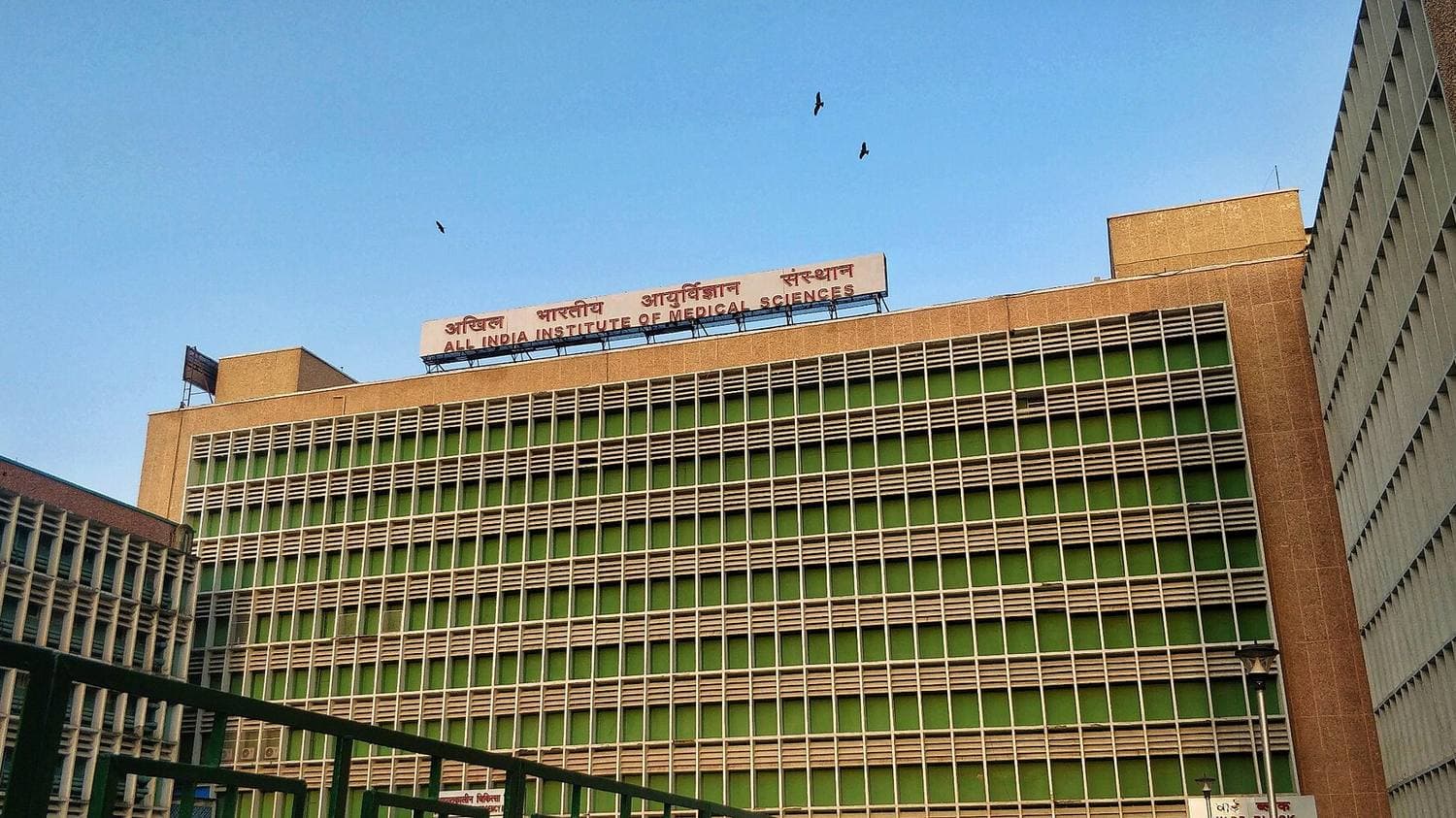
ICMR, the Indian Council of Medical Research, has launched a four-year, nationwide study of families in which several members have autoimmune diseases. The project will recruit 200 families and look for the genetic and immune-system patterns that help explain why these conditions cluster within families, NewsMeter reported on 30 October.
Autoimmune diseases arise when the immune system turns on the body's own tissues. Onmanorama described the project as a response to rising rates of such conditions in India. NewsMeter gave the project's full title as "Genomic Profiling and Identification of Targetable Shared Immunopathogenic Events in Multiplex Families with Autoimmune Diseases".
How the study will work
A multiplex family is one in which more than one member is affected, often by different autoimmune conditions. According to The Indian Practitioner, each participating family must have a member with an SLE (systemic lupus erythematosus) diagnosis, plus at least two relatives without the disease, who will act as biological comparisons.
Researchers will collect blood samples from people with a diagnosis and from their healthy relatives. They will examine the samples for genetic variations and immune changes shared within families, using genomic and transcriptomic profiling and high-throughput sequencing of several types of molecular data. The Indian Practitioner said the work will also look at how environmental factors and cytokine signalling, the chemical messaging between immune cells, affect whether disease appears and how severe it becomes.
The team wants to understand why some people who carry genetic risk factors fall ill while others do not. The reports say the findings could help identify people at risk early and point to targets for future treatment, including more personalised care.
Who is involved
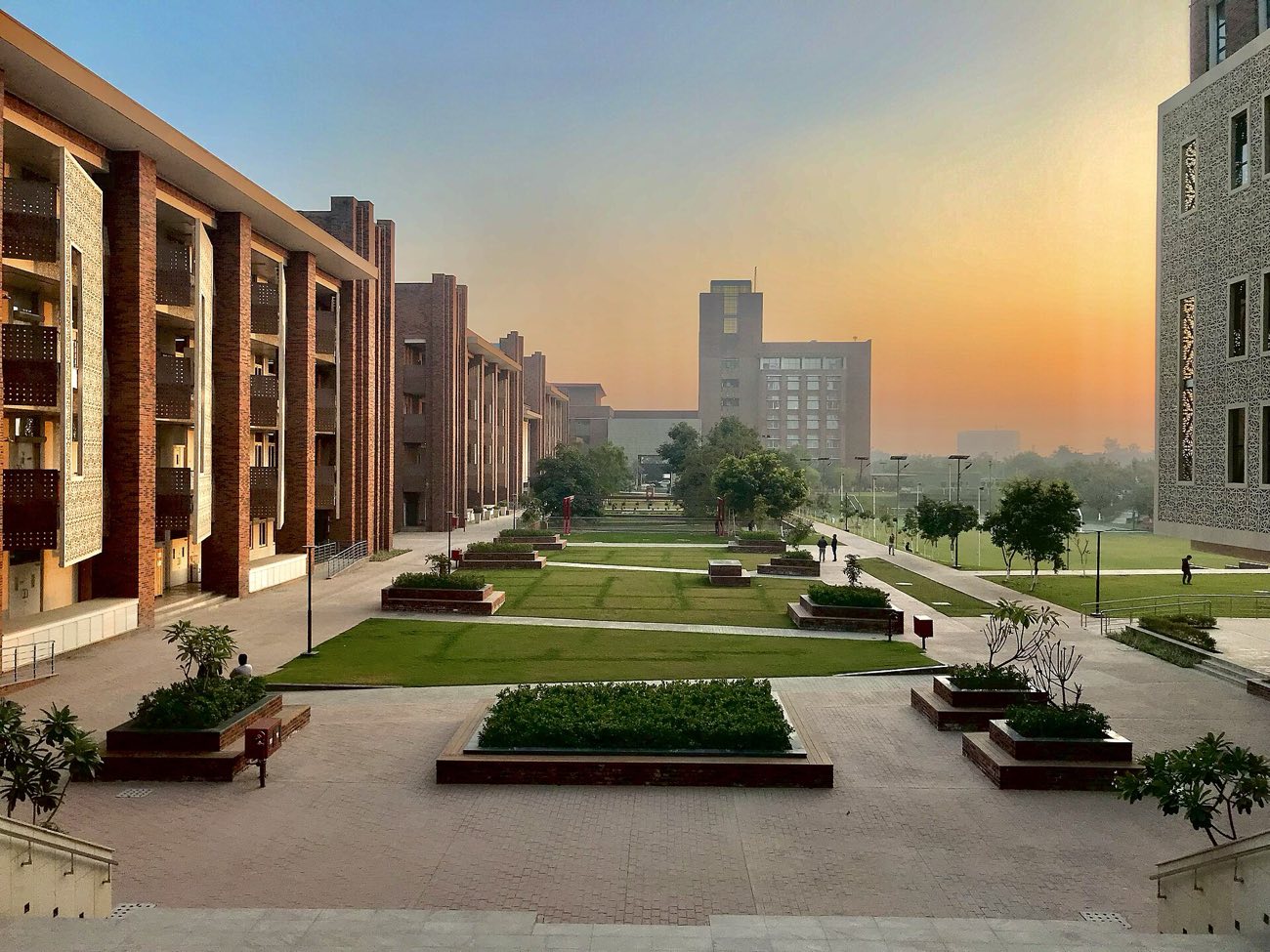
The study is funded by ICMR, though none of the three reports gives an amount. Six centres will take part: AIIMS New Delhi, AIIMS Bibinagar in Telangana, the Sanjay Gandhi Postgraduate Institute of Medical Sciences in Lucknow, the Nizam's Institute of Medical Sciences in Hyderabad, St John's Medical College in Bengaluru and a medical college in Kolkata. Ashoka University in Haryana is the coordinating academic centre and will handle the molecular sequencing, The Indian Practitioner said.
Dr Ranjan Gupta, additional professor of rheumatology at AIIMS New Delhi and the study coordinator at that institution, said genes alone cannot explain how autoimmune diseases develop and that environmental factors also play an important role, NewsMeter reported.
Doctors at AIIMS New Delhi are asking eligible lupus patients who live in the Delhi-NCR area to get in touch with the hospital's rheumatology department, The Indian Practitioner said.
What to expect
Because the project has only just started, there are no results yet. The reports do not say when the first findings might be published, beyond the four-year length of the project.