
Saffron pilot in Leh flowers within 30 days of planting, officials say
About 90,000 Iranian corms planted on restored land in October have produced nearly 22 grams of saffron in the first four days of flowering.
The Global Sun Desk ·
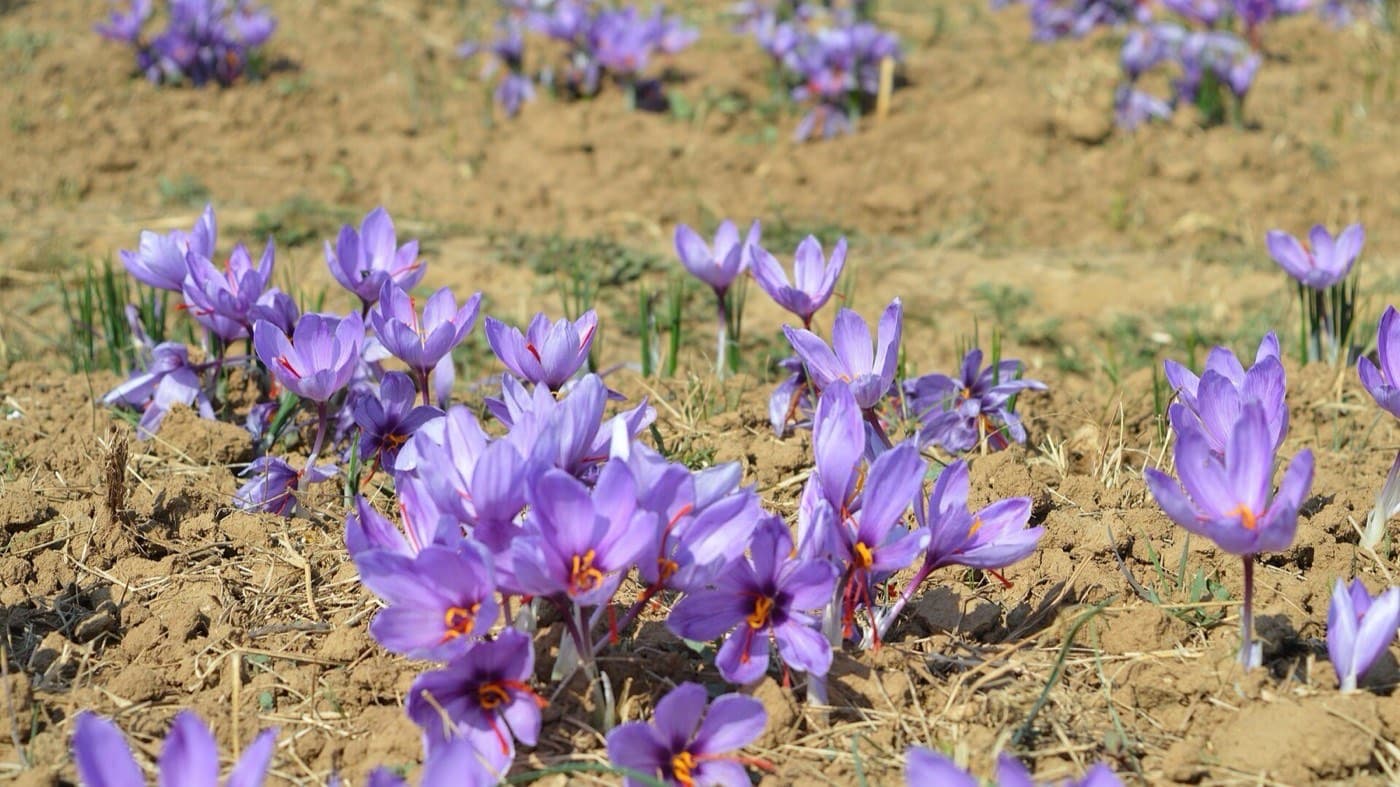
An experimental saffron plot on restored land in Leh has produced its first flowers within 30 days of planting, Ladakh's administration said, against the roughly two months a first bloom usually takes. Lieutenant Governor V.K. Saxena inspected the field on Sunday, 1 November. Officials told him that nearly 22 grams of saffron had been collected in four days of flowering.
What was planted
The pilot uses premium Iranian saffron corms, the underground bulb-like structures from which the plant grows. Nearly 800 kg of them, around 90,000 corms, were planted across about 4,000 square metres on 1 October. The land was barren until it was restored under Project Him Sarovar, an initiative launched under Saxena's guidance, Hindustan Times reported.
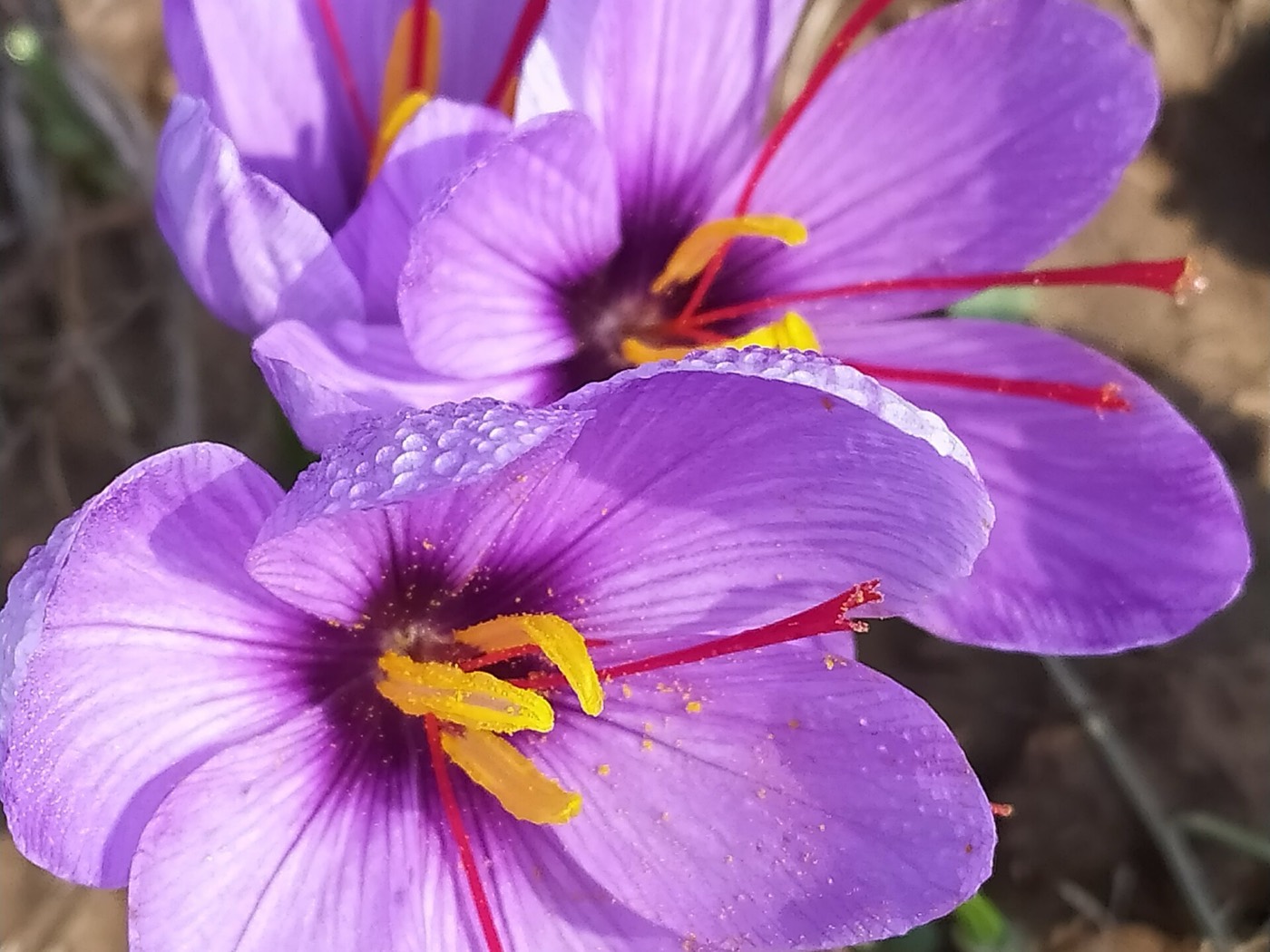
The field is currently producing an average of 20 to 25 flowers a day, officials said. The peak so far was 72 flowers on Sunday morning, according to the Kashmir Observer and The Better India. Hindustan Times placed the same count on Monday morning.
Why Ladakh is trying saffron
Saffron is a high-value crop, and the administration is looking at it as a possible extra source of income for farmers, Hindustan Times reported. Jammu and Kashmir accounts for about 90 per cent of India's saffron production, the newspaper said, and that retail prices for genuine Kashmiri saffron begin at ₹300 a gram, rising much higher with quality and variety.
Ladakh's administration has tried other crops with similar aims. The Kashmir Observer said it had already tried flower farming in Leh, growing lilium and gladiolus on a large scale, which officials credited with creating opportunities for local entrepreneurs, self-help groups and farmers.
What officials are saying
Saxena called the early flowering a significant development. He said the pilot shows that farming at high altitude in Ladakh has real untapped potential, and that it could become the basis for producing saffron commercially and for agro-based businesses in the Union Territory. He thanked the Agriculture Department of Ladakh and its field staff for their work on the project, Hindustan Times said, citing his post on X.
The same report added that the administration is still assessing whether the crop can thrive at that altitude and bring new income to local farmers.
A pilot, not yet a harvest season
The figures so far come from the administration and the Lieutenant Governor's own statements, and they cover a single experimental plot over a few days. The published accounts do not give independent measurements of the saffron's quality or cost, and a full season's yield is not yet known. The Kashmir Observer and The Better India also describe the "30 days" as a first-bloom timeline, with The Better India saying the flowers appeared in under 30 days. Commercial viability will only become clear after more harvests.