
Glacial lake bursts in Bhutan, damaging hot springs; no casualties reported
The outburst on the evening of 29 October sent a flash flood down the Mo Chhu river and prompted flood advisories for Alipurduar in West Bengal and Dhubri in Assam.
The Global Sun Desk ·
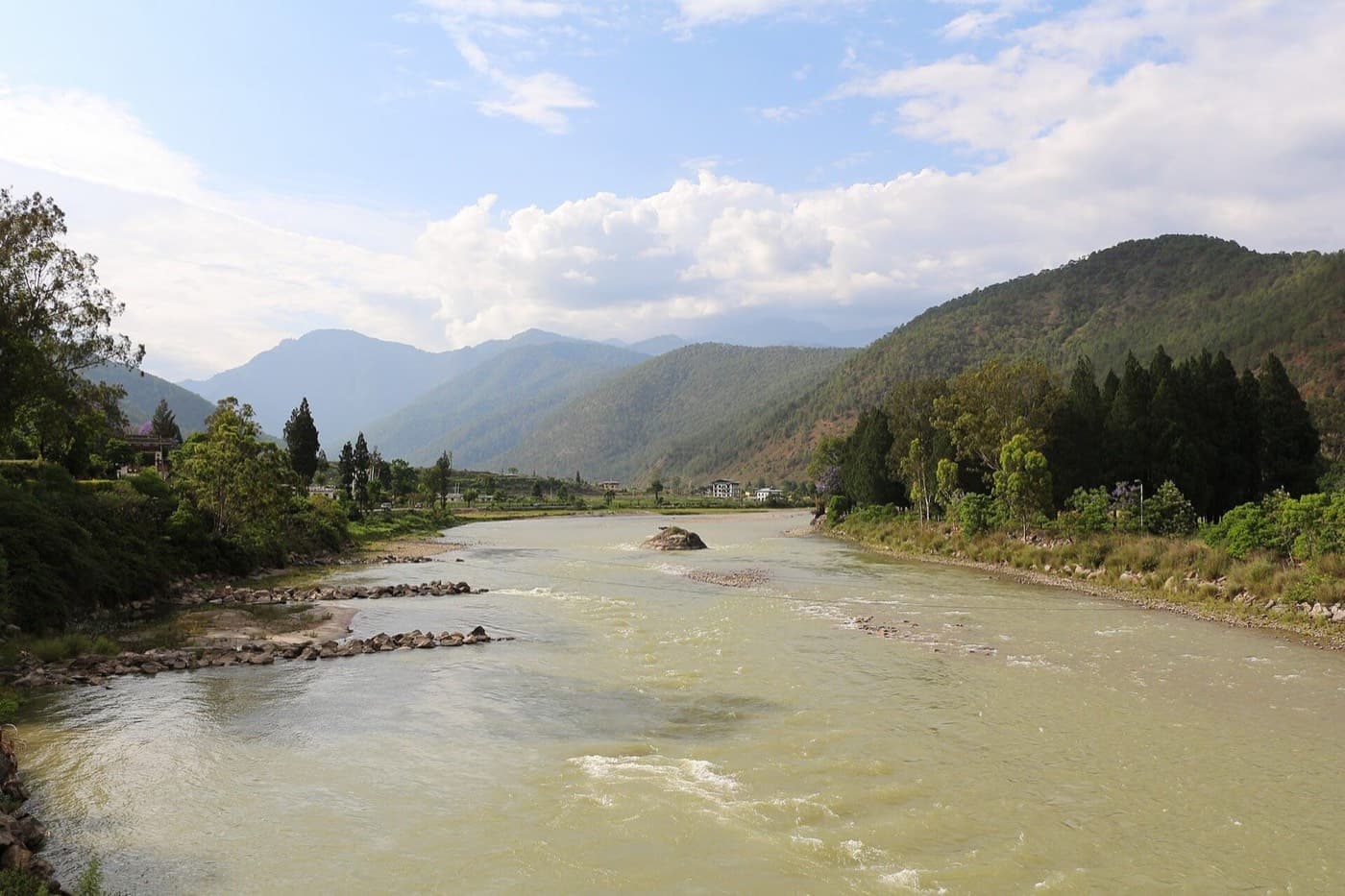
Shintaphu glacial lake, in Bhutan's Gasa district, burst its banks on the evening of Thursday 29 October, sending a flash flood down the Mo Chhu river system. Bhutan's state broadcaster BBS reported no deaths or injuries. The flood wrecked infrastructure at the Gasa Tshachu hot springs in the north of the country and left part of the road to Laya village impassable.
BBS said two Bailey bridges might also have been lost to the water. BBS said darkness and the strong current meant the damage could not be fully assessed overnight. Kuensel, Bhutan's national newspaper, reported that the Laya road was closed to traffic indefinitely.
Alerts in India
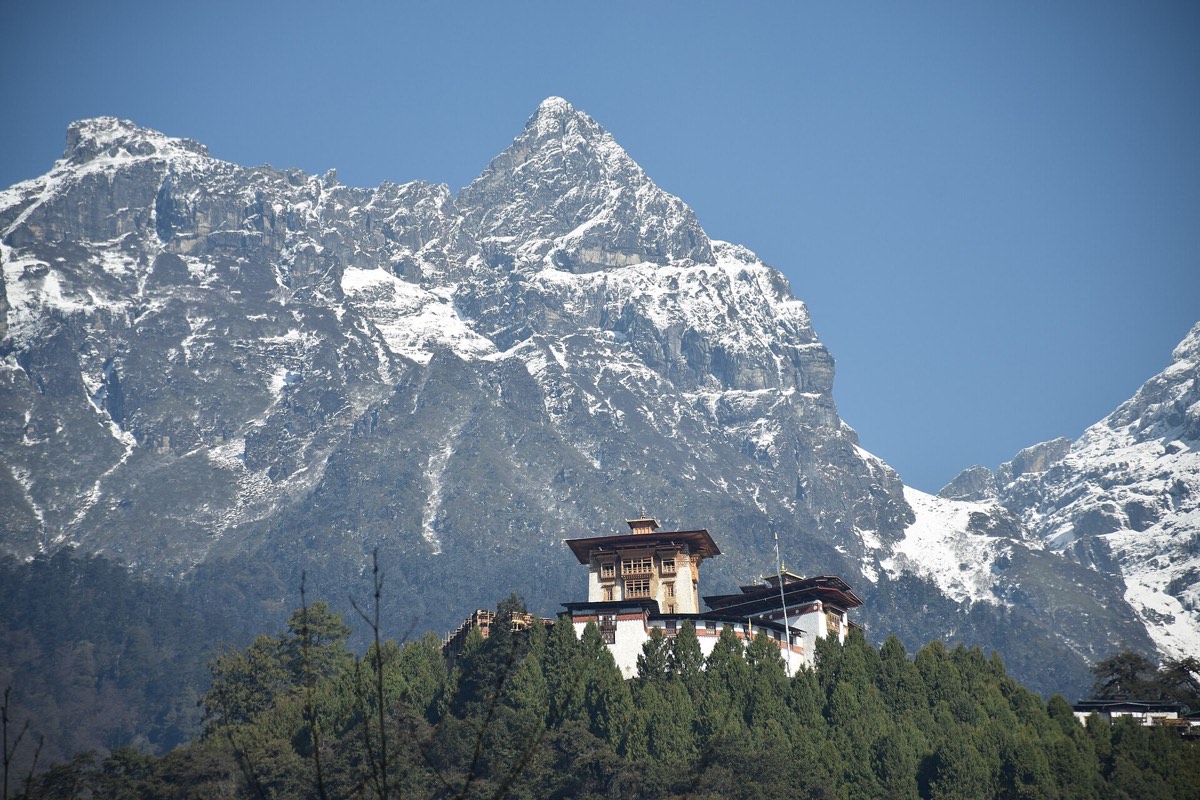
The Mo Chhu becomes the Punatsangchhu and then, on entering India, the Sankosh. After the Indian embassy in Bhutan reported the outburst, India's Central Water Commission (CWC) put out a special advisory on flooding in West Bengal and Assam. It cautioned that the Sankosh could rise suddenly in Alipurduar district of West Bengal and Dhubri district of Assam, and said floodwater was expected to reach the border within six to eight hours. Local authorities were advised to "remain alert, closely monitor the situation and take necessary precautionary measures".
West Bengal minister Nisith Pramanik, who handles water resources investigation and development, told residents of the Sankosh catchment to move to safer ground: "Everyone living in the catchment areas of the Sankosh river and all its connected tributaries has been asked to move to a safe distance immediately to protect their lives."
Outlook India reported that the surge moved down the Sankosh without causing major flooding, and that residents who had been moved out started going home on 30 October.
How much water was released
Estimates of the volume differ. West Bengal's chief irrigation engineer expected about 7.4 million cubic metres, based on data from Bhutan's NCHM relayed through the CWC. The International Centre for Integrated Mountain Development (ICIMOD) estimated the lake held 6 to 7 million cubic metres before the outburst. The volume actually released was still being assessed.
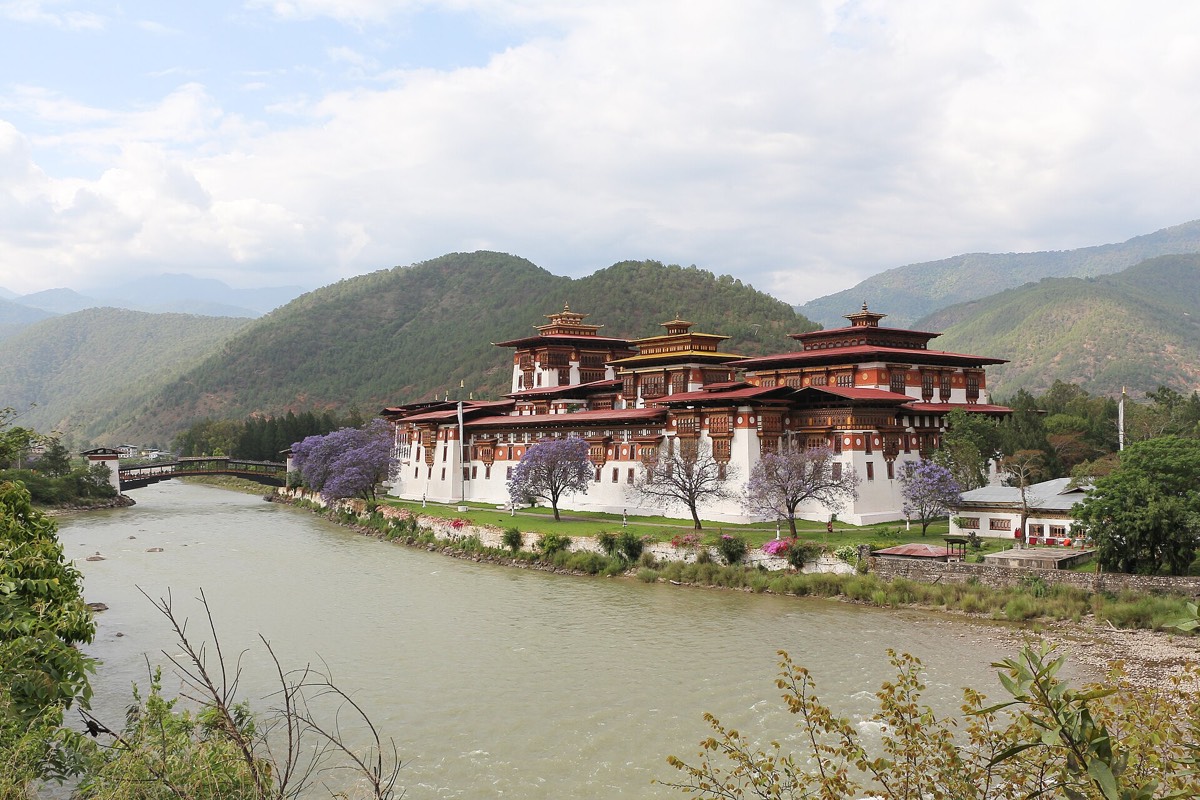
Bhutan's NCHM later reported that a new artificial lake had formed at Taktsemakhang, and advised residents of the Mo Chhu and Punatsangchhu valleys to stay vigilant. The Punakha district administration suspended public access to Punakha Dzong as a precaution.
A recurring risk
Glacial lake outbursts are a known hazard in the Himalaya. Heavy rain can set one off, as can a landslide, rockfall or avalanche that tumbles into a lake, or a failure of the natural barrier holding the water back. A flash flood hit the same hot-spring area in 2021 after the Mo Chhu changed course. In October 2023, an outburst from South Lhonak Lake caused a sudden surge in the Teesta river.
An ICIMOD assessment published in 2026 found that Hindu Kush Himalaya glaciers shrank in area by about 12 per cent between 1990 and 2020 and lost roughly 9 per cent of the ice they were estimated to hold over the same period. Separately, a 2026 study in Natural Hazards and Earth System Sciences started from a record of 2,574 glacial lakes in Bhutan and picked 278 of them for detailed flood modelling.