
G20 foreign ministers meet in Atlanta amid deep rifts, and the group photo is dropped
US Secretary of State Marco Rubio opened the two-day meeting with calls for unity on security and trade, but disagreements over Russia, Iran and who was invited overshadowed the talks.
The Global Sun Desk ·
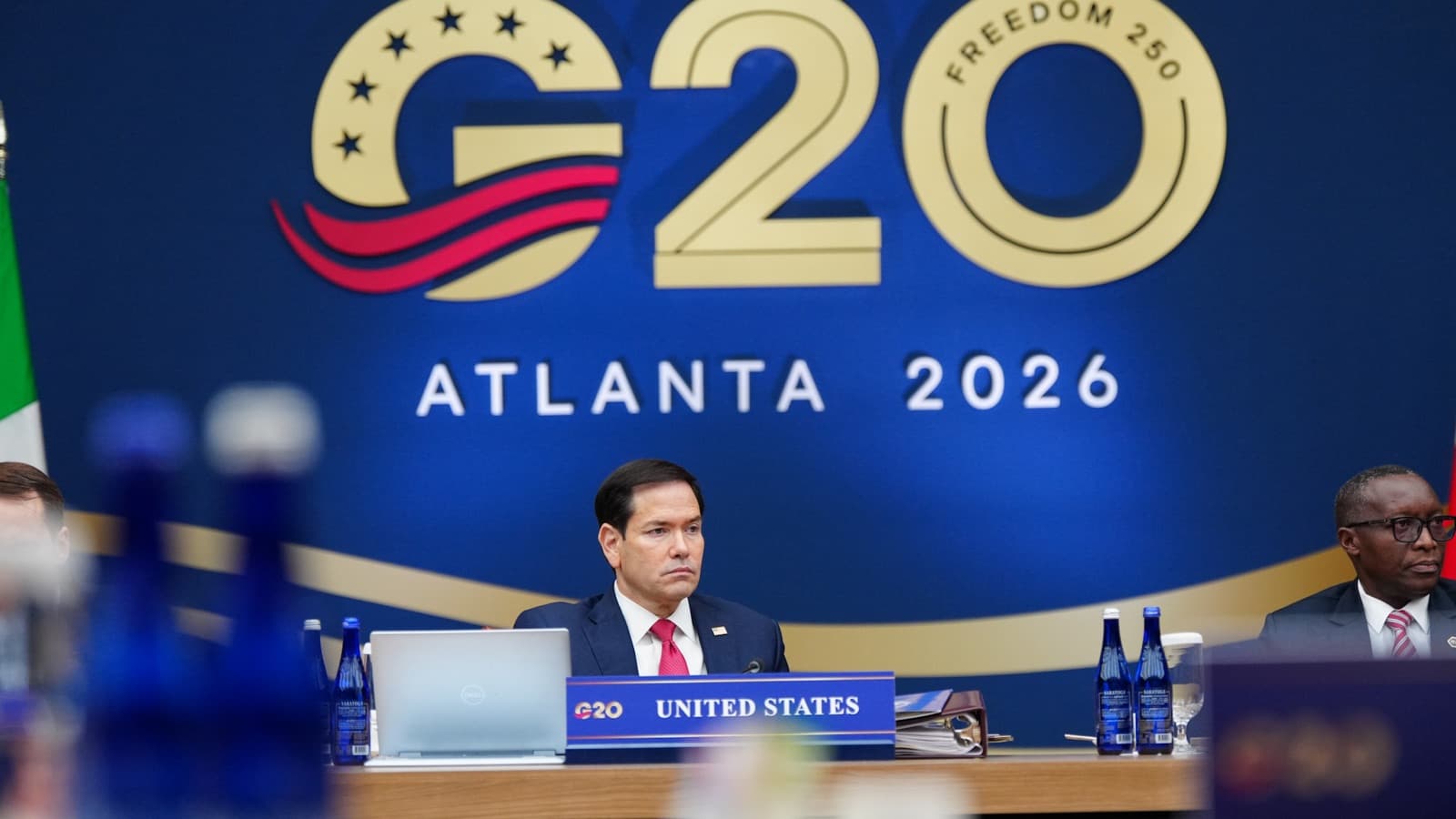
Foreign ministers of the G20 began two days of talks in Atlanta on Friday 30 October, with Secretary of State Marco Rubio in the chair. The United States, which holds this year's G20 presidency, dropped the customary group photograph after a number of European officials said they would stay out of it if Russia's Sergey Lavrov took part. Two US officials said Rubio scrapped it so the row would not distract from the talks.
India's External Affairs Minister S Jaishankar attended. According to PTI, he arrived in Atlanta late on Thursday and met counterparts from several countries before the session. A Quad foreign ministers' meeting with Japan, Australia and the US was planned on the sidelines. From Atlanta he was due to travel to Antigua and Barbuda for the Commonwealth Heads of Government Meeting, which runs from 1 to 4 November.
Rifts over Russia and invitations
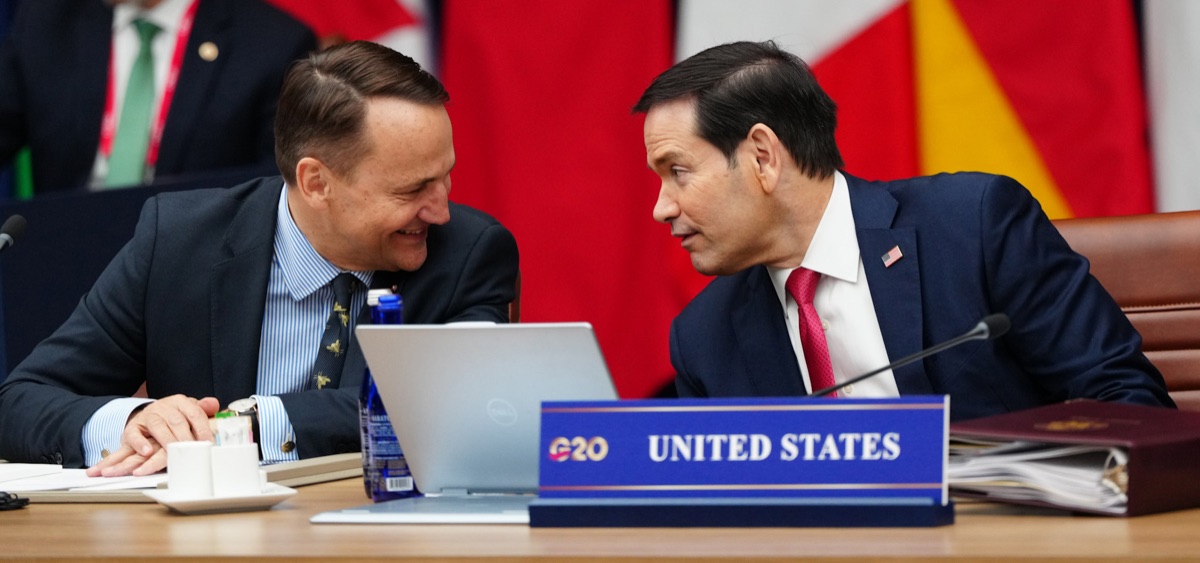
Poland's Foreign Minister Radosław Sikorski, attending for the first time as a guest, said: "I am not the only one who does not want to be photographed with Lavrov." Germany's Johann Wadephul said "there is no normality with Russia" but that the disagreements had to be discussed at the table. Lavrov, for his part, said Ukrainian President Volodymyr Zelenskyy's position on long-range strikes "doesn't help preparation for the talks", and that Russia saw no point in inviting Poland, which he said "adds nothing". PTI reported that Lavrov was seated between the Mexican and Saudi Arabian foreign ministers.
South Africa, a founding member of the G20, was not on the invitation list, and neither was Ukraine. US officials said they had chosen to invite only formal members. South Africa has fallen out with the Trump administration on several fronts, and when it chaired the group last year, senior US officials, Trump and Rubio among them, stayed away from the meetings it hosted. China was represented by a deputy foreign minister.
What was on the table
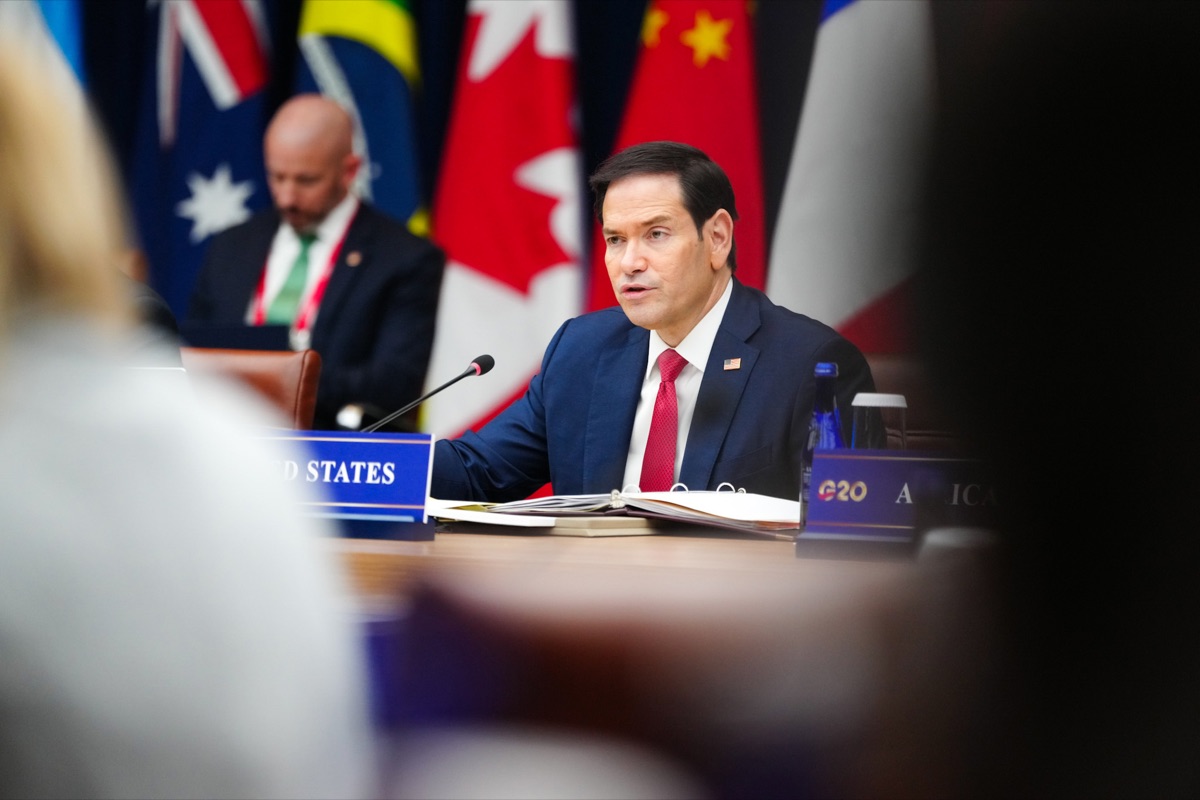
Rubio told colleagues: "We are facing a series of interconnected economic and geopolitical crises." He pointed to disruption in energy and food markets, trade and open shipping routes, and wrote on X that maritime and food security "drive economic security". US officials' top priority is freedom of navigation, with the South China Sea, the Black Sea, the Red Sea and the Strait of Hormuz singled out. Other agenda items were Iran, the war in Ukraine and China's relations with its smaller neighbours. Diplomats were also watching for any renewed US strikes on Iran after Tuesday's US midterm elections.
Participants did not expect a joint communique when the meeting closes on Saturday. Elaine Dezenski, a think-tank analyst, said: "It will be less of a meeting and more of a test." Participants said everyone had agreed to work through their differences so that the leaders' summit could go well. President Donald Trump will host that summit at his golf club in Miami on 14 and 15 December. It is unclear whether Russian President Vladimir Putin will accept the invitation.