
Carbon dioxide in the air hit a record 426.8 ppm in 2025, says the WMO
The World Meteorological Organization's annual Greenhouse Gas Bulletin shows record levels of carbon dioxide, methane and nitrous oxide, released ahead of the COP31 climate talks.
The Global Sun Desk ·
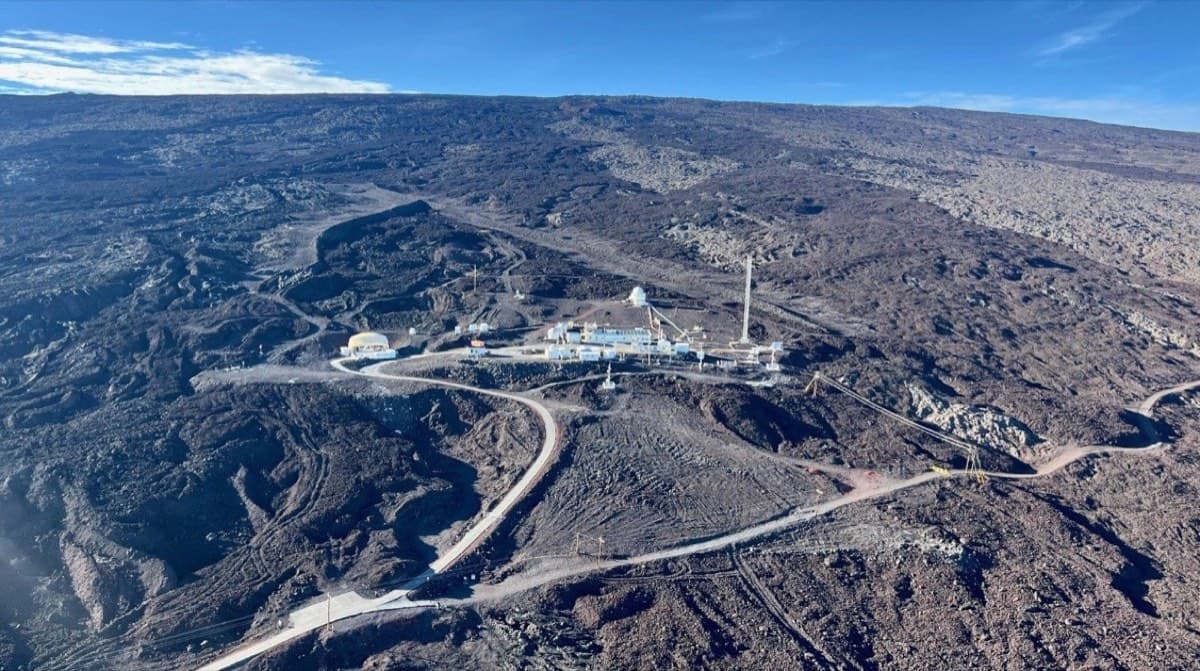
The amount of carbon dioxide in the atmosphere hit a new high in 2025, according to the World Meteorological Organization (WMO). Its Greenhouse Gas Bulletin, published on 27 October, puts the worldwide mean surface level of CO2 at 426.8 parts per million (ppm), or 153 per cent of the level in 1750, before large-scale industrial emissions began.
The concentrations of methane and nitrous oxide also reached records. Methane stood at 1,948 parts per billion (ppb), 267 per cent of its 1750 level, and nitrous oxide at 339.1 ppb, according to the energy-news service Enerdata, which summarised the bulletin. The WMO said it released the report to give negotiators at COP31 in Antalya, Türkiye, which runs from 9 to 20 November, authoritative scientific information.
A smaller rise than the year before
CO2 rose by 2.8 ppm between 2024 and 2025. That is above the average yearly increase of the past decade but below the exceptional jump recorded in 2023 and 2024, Enerdata reported. The bulletin draws on observations from 179 stations.
The WMO said the strong 2023-24 El Niño weather pattern had reduced the amount of carbon that plants and forests took up. In 2025 the land sinks recovered and fire emissions fell. About half of each year's CO2 emissions stay in the atmosphere, while land ecosystems and oceans absorb the rest. The bulletin warns that the risk of reduced uptake by the oceans is increasing.
The warming effect of long-lived greenhouse gases rose by 56 per cent between 1990 and 2025, based on the US National Oceanic and Atmospheric Administration's index, with CO2 responsible for about 81 per cent of that increase.
Why it matters
Ko Barrett, the WMO's Deputy Secretary-General, said: "Another year, another new record." She added that greenhouse gases are "trapping an unprecedented amount of heat in the atmosphere" and that "CO2 has a very long life-time". The WMO added that the last 11 years are the hottest since records began.
Looking ahead, the WMO expects levels to go on rising in 2026, as fossil fuels continue to be burned and a strong El Niño that is developing affects how much carbon the land can absorb.
The bulletin arrived six days after the UN Environment Programme warned in its Emissions Gap Report that warming will overshoot the 1.5C limit and that national pledges are far from enough. Together the two reports set the scientific backdrop for the talks in Antalya. The bulletin measures what is already in the air, while the UNEP report estimates how much emissions would need to fall to limit the temperature rise.