
Israel's election ends in deadlock, with neither bloc close to a majority
Benjamin Netanyahu's bloc won 53 of the Knesset's 120 seats and Gadi Eisenkot's 48, with the Arab-led parties' 19 seats sitting outside both camps.
The Global Sun Desk ·
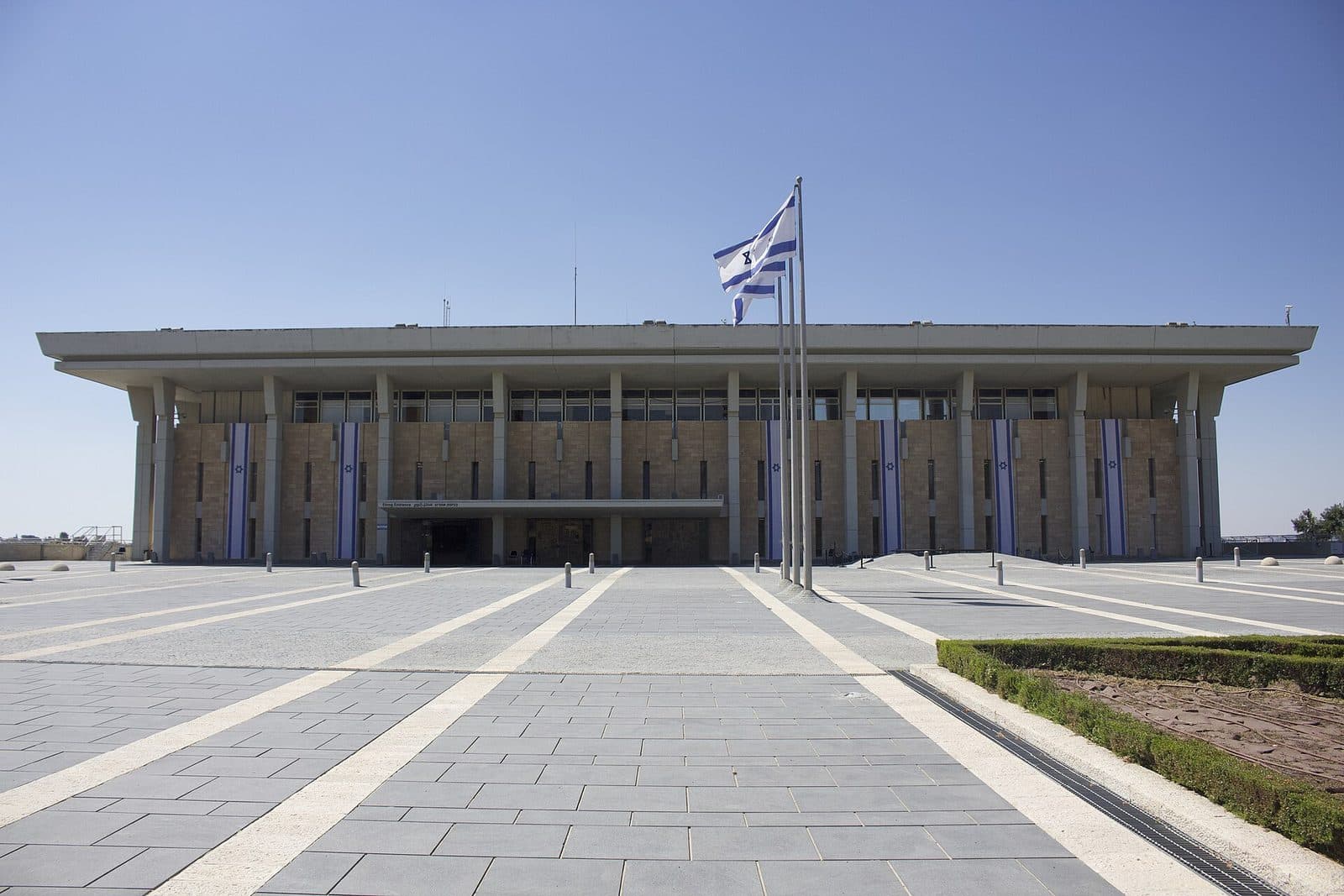
Israel's election on Tuesday 27 October has produced no clear winner. With almost every ballot counted by Thursday, the bloc led by Prime Minister Benjamin Netanyahu stands at 53 seats in the 120-seat Knesset, and the opposition bloc led by Gadi Eisenkot at 48. A government needs 61.
The two Arab-led parties, the Joint List and Ra'am, won 19 seats between them, a record. Their previous best was 15 in 2020, according to The Times of Israel. Neither Netanyahu nor Eisenkot can reach a majority without them or without each other.
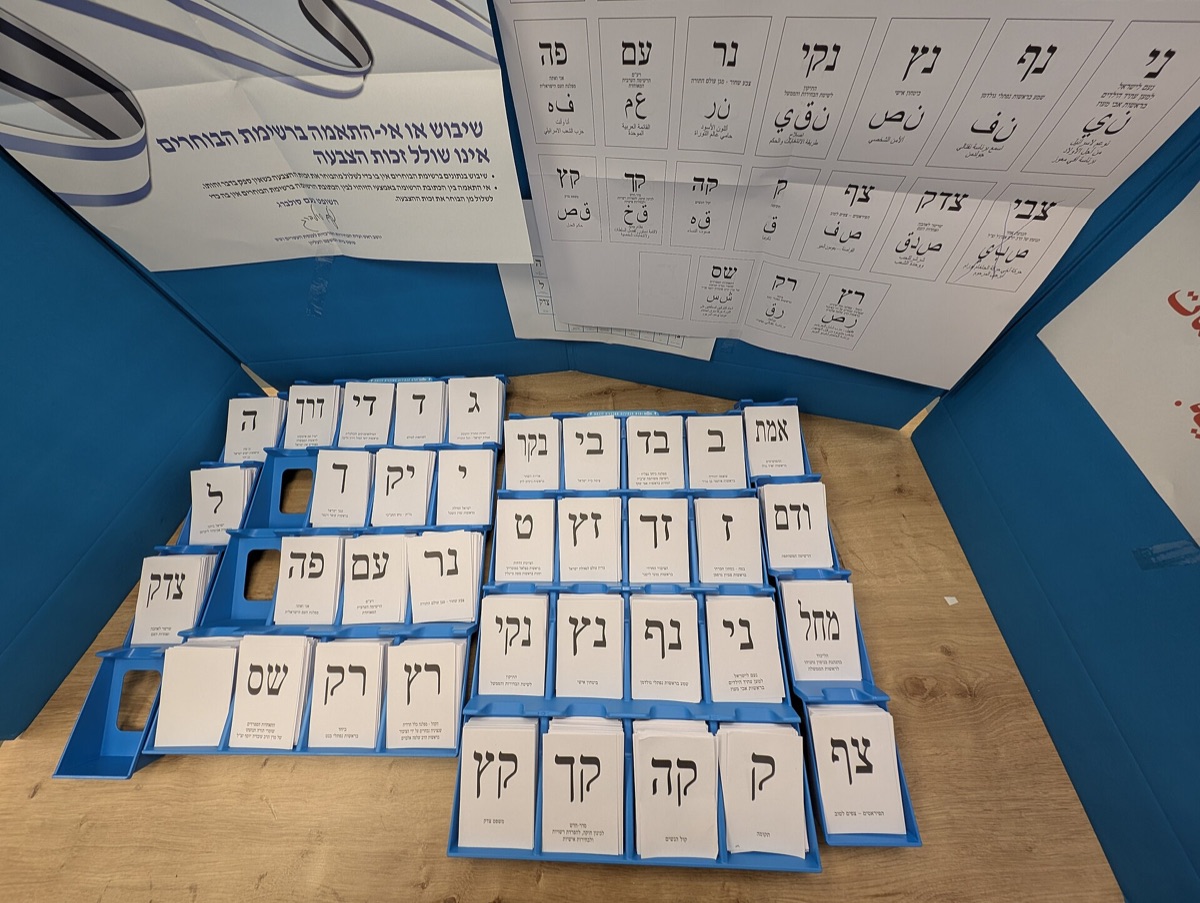
How the seats fell
Exit polls on Tuesday night had put Eisenkot's bloc two or three seats ahead. As the count went on, Likud and its allies pulled ahead, The Times of Israel reported. Even so, the Netanyahu bloc lost heavily: it held 68 seats in the outgoing Knesset.
By the Central Elections Committee's tally on Thursday evening, Likud was the largest party with 27 seats, followed by Eisenkot's Yashar with 21 and Naftali Bennett's B'Yachad with 12. The Joint List took 11 seats and Ra'am 8. Shas, a Netanyahu ally, won 6, its weakest showing since 1992. Netanyahu's bloc comprises Likud, Shas, United Torah Judaism, Otzma Yehudit and Religious Zionism. Eisenkot's comprises Yashar, B'Yachad, The Democrats and Yisrael Beytenu.
Coalition arithmetic
Eisenkot has said he will not partner with Arab-led parties, and every Zionist party in his bloc except The Democrats has said the same. Without them, the opposition cannot form a government. Yair Golan, who leads The Democrats, is the only opposition figure backing such a deal. After meeting Ra'am leader Mansour Abbas, he wrote on X: "This is a time for action. Our responsibility is not to miss the opportunity for change and the salvation of Israel."
On Thursday Eisenkot met Bennett to discuss forming a government quickly, and met Golan separately. In a video, he said: "The days of Netanyahu using state institutions against Israeli interests for his personal needs are over."
Disputed claims and next steps
Netanyahu's Likud has alleged, without evidence, that Arab-led parties "stole" the election, possibly with foreign help. Al Jazeera reported that these claims have been rejected. Noam Sohlberg, a Supreme Court justice who heads the Central Elections Committee, said he had received a letter raising "serious suspicions" of foreign interference that he could not verify, and asked the Shin Bet security agency to look into it.
Official results are due on 4 November. After that, President Isaac Herzog gives the mandate to the legislator he considers best placed to build a majority. That person then has 28 days, which can be stretched by up to 14 more. Netanyahu stays on as caretaker prime minister meanwhile. He is on trial for corruption, which he denies.
If no one can build a coalition, Israel may face another election, possibly early next year, Bloomberg reported. It would not be the first time: the country voted repeatedly between 2019 and 2022. This was the first election since the 7 October 2023 attacks and the start of the war in Gaza.