
Japan launches MMX probe to fetch samples from Mars's moon Phobos
JAXA's MMX spacecraft left Tanegashima on an H3 rocket on 20 October, starting a trip meant to end with material from Phobos returning to Earth.
The Global Sun Desk ·
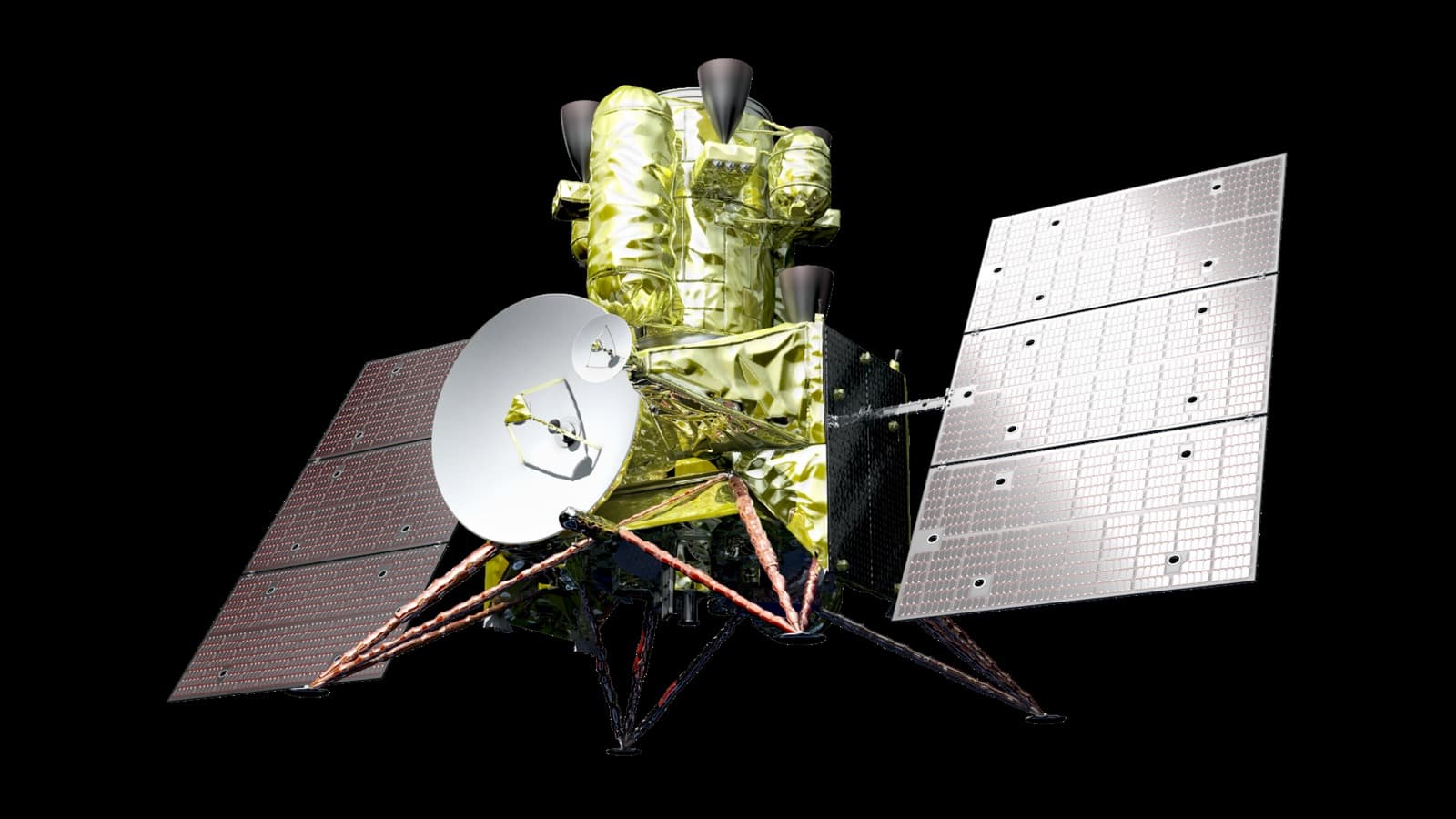
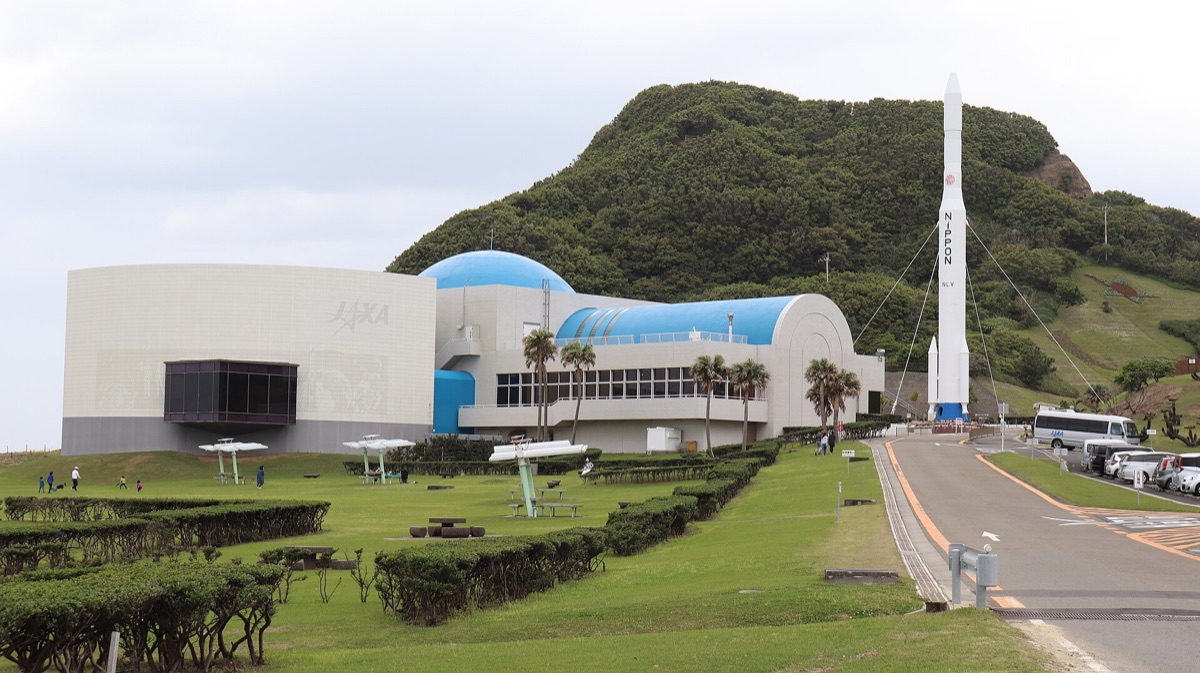
Japan's space agency JAXA launched its Martian Moons eXploration (MMX) probe on an H3 rocket at 4:41am Japan time on Tuesday 20 October, from Kagoshima Prefecture's Tanegashima Space Center. A little over an hour later, JAXA said the probe had detached from the rocket and was on its way to Mars. Signals showed it was working normally.
JAXA had announced the date in August and set aside a reserve period from 21 October to 7 November in case of delays, but the launch went ahead on the planned day. In Europe and the United States it was still 19 October.
A first for the Martian system
The European Space Agency (ESA) says MMX will be the first craft to go into orbit around Phobos, the first to take samples from the moon's surface, and the first to come home to Earth from the Martian system. The probe is due to arrive at Mars around August 2027, according to AFP. It is designed to bring a sample back by 2031, Astronomy magazine reported.
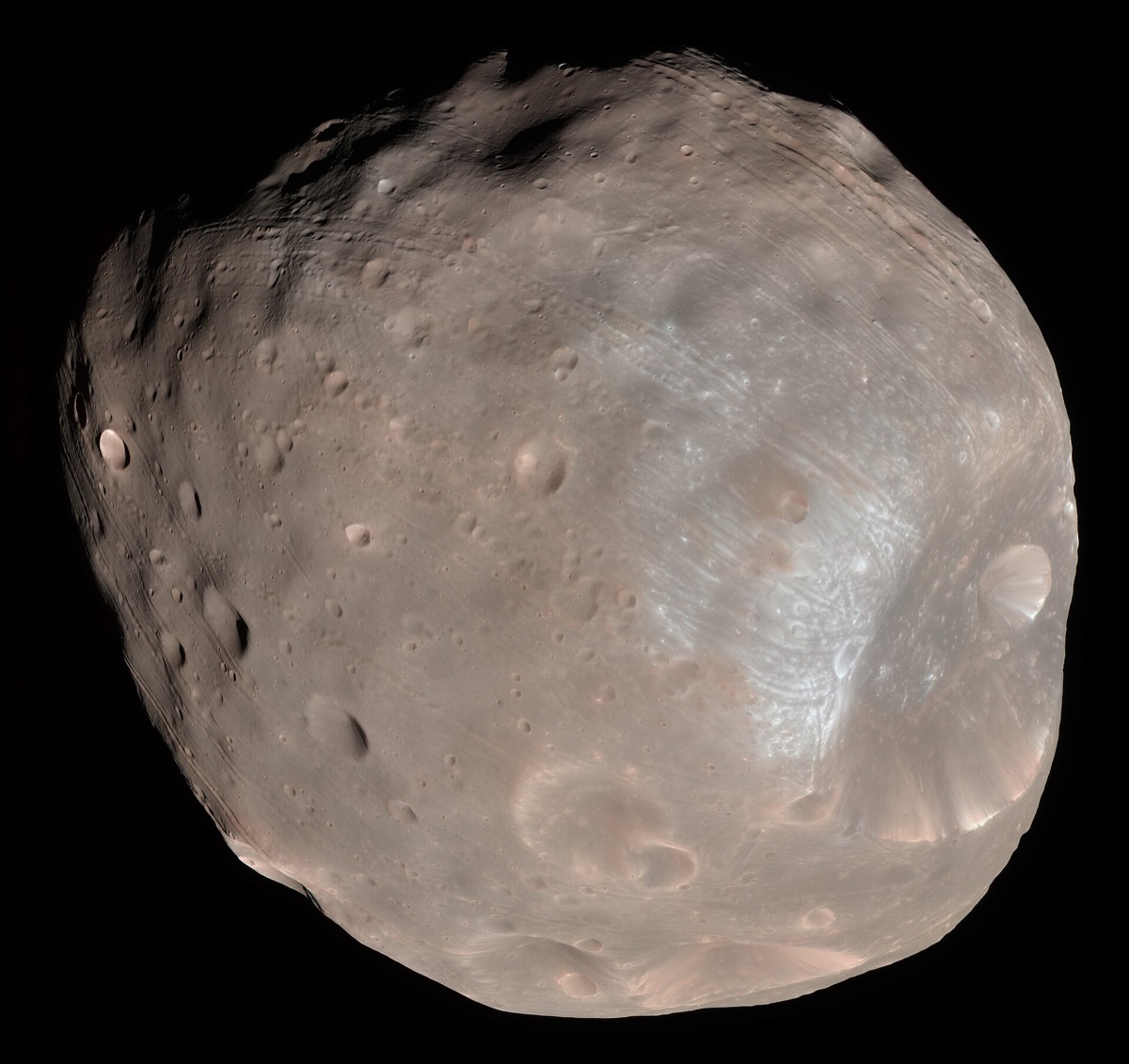
JAXA intends to gather a minimum of 10 grams of surface material over roughly three years in the Martian region. A French-German rover called IDEFIX is set to be the first vehicle to roam Phobos, making observations on the surface to help ensure a safe landing. The spacecraft will also observe Deimos, Mars's other moon, without landing on it.
The aim, JAXA says, is to learn how Mars and its pair of moons came into being. One theory says the moons were created after a collision with Mars. Another says they are captured asteroids.
International effort
JAXA leads the mission with NASA, France's CNES, Germany's DLR and ESA. ESA provided the spacecraft's equipment for communicating across deep space and supports the mission through its Estrack ground stations, which send commands and receive data. European scientists are part of the science team that will plan observations and study the returned samples.
Mari Aida, a JAXA scientist, said: "I'd dreamt of this day, so I'm incredibly happy." Elliot Sefton-Nash, ESA's project scientist for MMX, said the launch was "spectacular" and that "JAXA's H3 launcher performed fantastically to send MMX onward to Mars". Nicky Fox of NASA's Science Mission Directorate said the samples would bring "paradigm-shifting science on the Mars system for generations to come".
MMX may not be the first to bring Martian-system material home. AFP noted that China's Tianwen-3 mission, due to launch around 2028, could return samples from Mars itself as early as 2031. The same report said NASA's own Mars sample-return plan was effectively cancelled after a congressional vote in January.
For now, the immediate task is the long cruise. If the schedule holds, MMX will reach Mars next summer and begin the work of orbiting Phobos before attempting a landing.