
Kenya reports a second Ebola death as nine cases trace back to one cluster
Health officials say all of Kenya's confirmed cases trace back to one known cluster, while the far larger outbreak in Congo has since passed 10,000 confirmed cases.
The Global Sun Desk ·
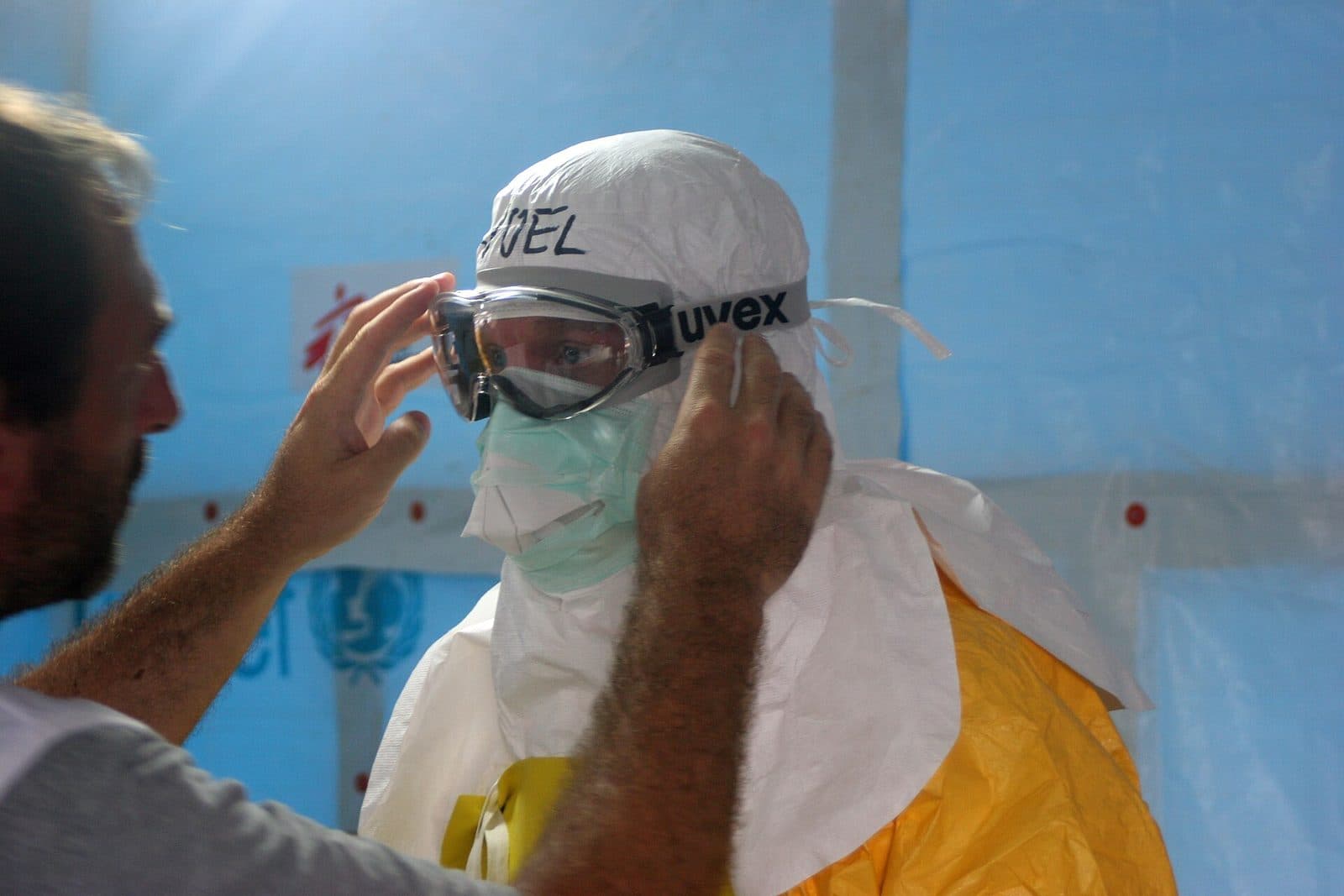
Kenya's Health Ministry announced a second Ebola death on the evening of Friday, 23 October. The victim was a 65-year-old woman, a close relative and direct contact of the country's first patient, who fell ill while already in quarantine. The ministry said she developed symptoms on 13 October, was admitted to an infectious disease unit in Nairobi the same day and received supportive care until she died.
The ministry said her family had been told and that trained teams would carry out a safe and dignified burial in line with public health protocols. Health Director General Patrick Amoth said in a statement that the ministry was "deeply saddened" by her death. She was the country's third confirmed case.
Kenya now has nine confirmed cases and two deaths. Seven others are under treatment in isolation at two facilities, and the Associated Press said Friday brought no new infections. The ministry maintains that every case belongs to one cluster of identified contacts, with no sign of community transmission.
How the cluster grew
The first patient, aged 40, was a Kenyan man who had been living in the DRC, formally the Democratic Republic of the Congo, and reached Nairobi via Uganda on 3 October. A relative drove him to Nairobi Hospital; he tested positive for Ebola on 5 October and died that day. Kenya announced the case on 6 October.
More cases followed. On 17 October the ministry reported four new infections, three of them health workers who had treated the first patient and the fourth a relative of his. An eighth case was detected the next day in a 49-year-old man who worked as a patient attendant and had probably been exposed to the first patient, Amoth told Citizen TV. A ninth, a 24-year-old man and close family member of the first patient, was confirmed on 19 October; Amoth said he was placed in isolation as soon as he fell ill.
The AP said some 135 people had been traced as contacts of the first patient, with 118 of them placed in quarantine, and that eight tested positive while quarantined. Contacts who complete 21 days without symptoms are due to be released from Saturday. Kenya has placed no limits on travel, trade or public gatherings, and the government says the country remains fully open.
A far larger outbreak in Congo
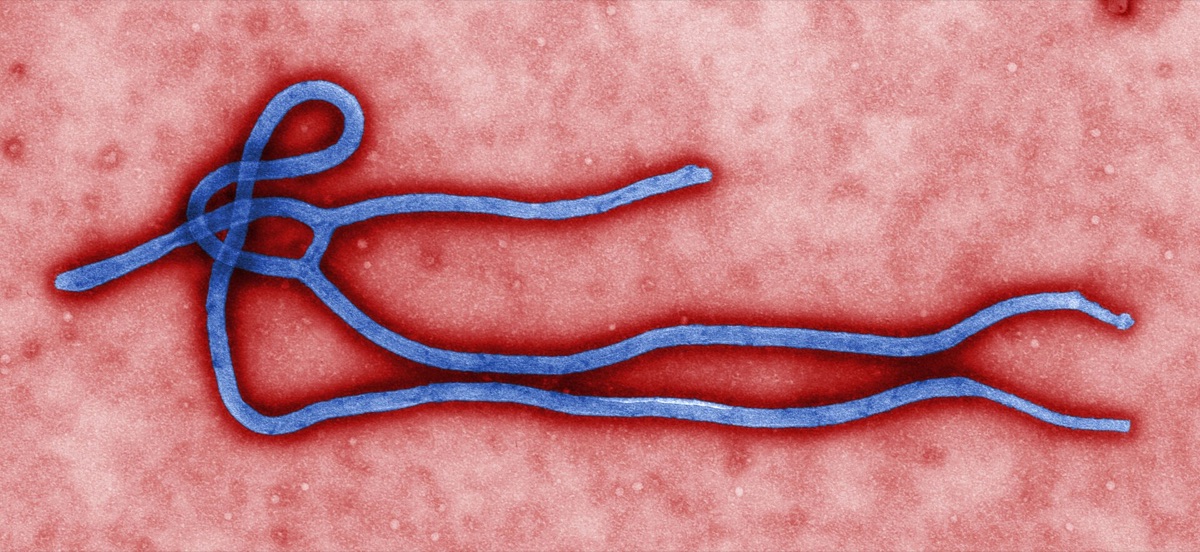
The virus behind the outbreak is the Bundibugyo strain, for which there is no approved vaccine or specific treatment. The outbreak began in the DRC in May and is that country's deadliest on record. By 29 October the European Centre for Disease Prevention and Control (ECDC) was listing 10,274 confirmed cases and 4,992 related deaths there, based on data up to 28 October. Ituri province has been the epicentre, and the ECDC counts eight affected provinces, among them North Ubangi, which the government said on 18 October the virus had reached.
Elsewhere, Al Jazeera reported, Uganda recorded 20 confirmed cases and two deaths, 15 of the cases brought in from the DRC, before it was declared free of the disease in August. The ECDC says Nigeria reported a case on 20 October in a person with a travel history to Uganda. Its 26 October summary still showed nine cases and two deaths for Kenya, with the last new case reported on 20 October.