
UN says the world will overshoot 1.5C and must cut emissions faster to come back
The UN Environment Programme's annual Emissions Gap Report, published ahead of the COP31 climate summit, finds that current pledges fall far short and that warming will pass the 1.5C limit for a period.
The Global Sun Desk ·
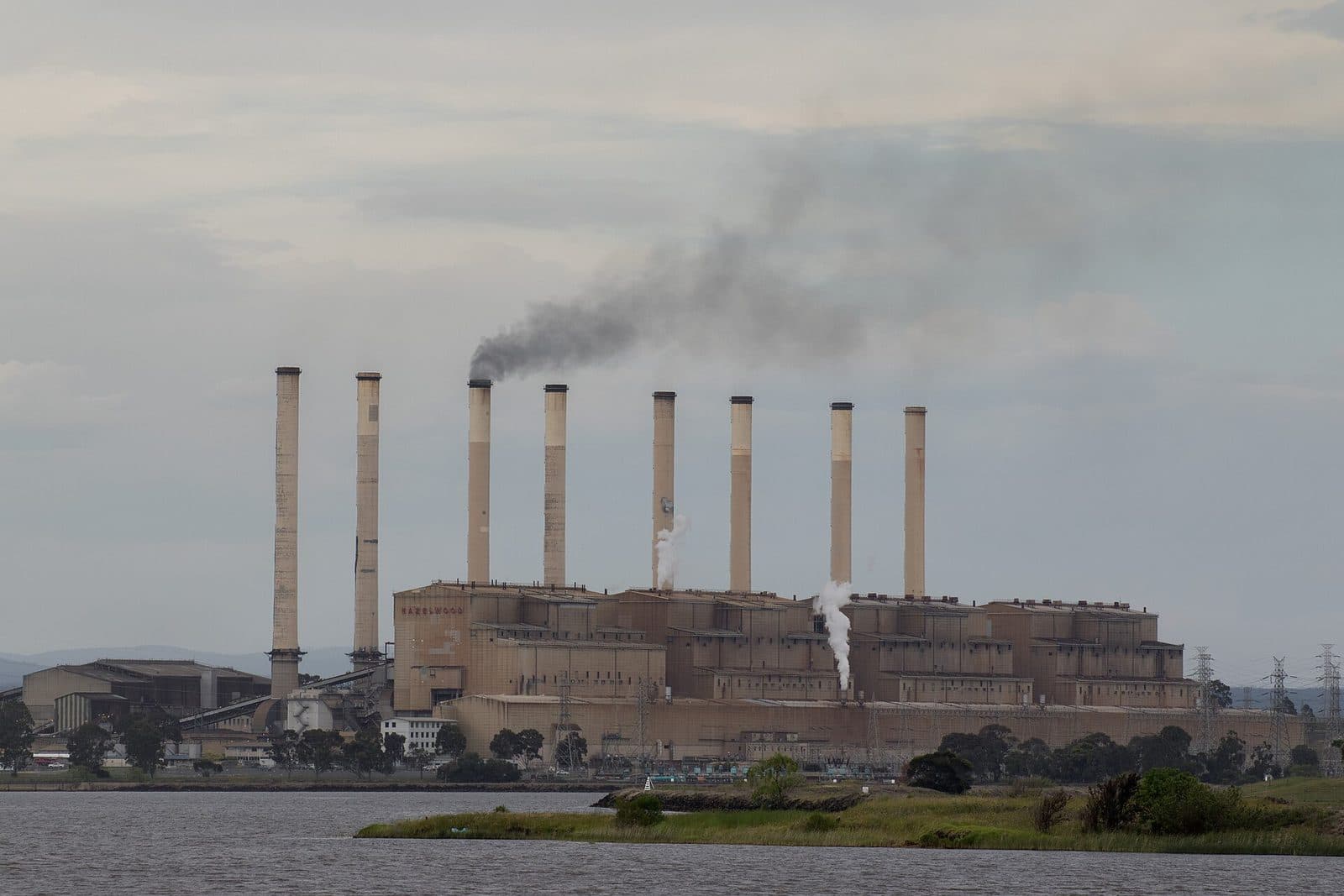
Temporarily breaching the 1.5C warming limit set in the Paris Agreement is now unavoidable, and the cuts needed to bring temperatures back down are steeper than countries have promised. That is the central finding of the UN Environment Programme's Emissions Gap Report 2026, titled "The Point of Return" and released on Wednesday 21 October, 19 days before the COP31 climate talks open in Antalya, Türkiye.
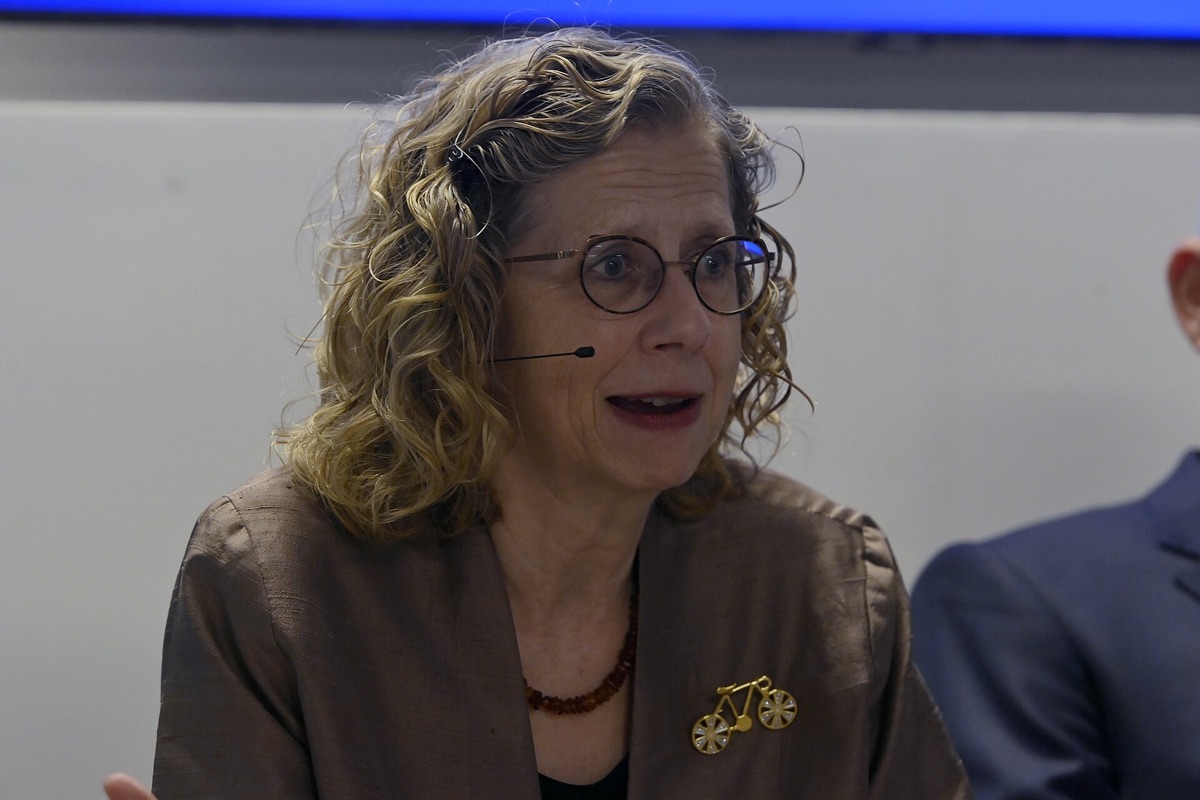
The report looks at "overshoot": a period in which global temperatures climb above 1.5C before being pulled back. In a message about the report, UN chief António Guterres said: "Overshoot is not surrender." UNEP's executive director, Inger Andersen, said nations must "pull out all the stops to minimise peak warming and return to 1.5°C by the end of the century". She added: "This is possible."
What the numbers say
If governments delivered every national pledge, the report projects warming of about 2.6C this century. Under current policies alone the figure is 2.8C. Adding further net-zero targets would bring it to about 2.1C. The authors say the picture has darkened since last year because of the United States' withdrawal from the Paris Agreement and upward revisions to historical emissions. New pledges since last year made a negligible difference.
Pledges would cut emissions by only 5 to 8 per cent by 2030 and 11 to 15 per cent by 2035, measured against 2025 levels. The "lowest possible" overshoot route in the report would hold peak warming to about 1.7 to 1.8C around the middle of the century and return it to 1.5C or below by 2100, with roughly even odds. It requires cuts reaching 18 per cent in 2030, then 45 per cent five years later and 69 per cent by 2040, plus the removal and permanent storage of around 320 gigatonnes of carbon dioxide this century. Whether that removal is feasible is uncertain. The report adds that every five years of emissions at today's rate add roughly 0.1C to peak warming.
Emissions in 2025
AFP reported that worldwide greenhouse gas emissions in 2025 stayed close to the record set in 2024. Among the six largest emitters, preliminary data show increases in China, the United States and Indonesia, while India, Russia and the European Union recorded declines. The US rise, 133 megatonnes of CO2 equivalent, was the biggest, as demand for electricity grew and coal-fired generation recovered. The G20 accounts for about three-quarters of global emissions.
Some progress
The authors point to evidence that policy can work. Reviewing more than 220 policy evaluations, they found that policies aimed at the electricity sector reduced emissions by 9 per cent on average. Since the Paris Agreement, renewable power capacity has expanded at three times the pace expected, and solar installations at about seven times the expected pace.
Andersen said a further 5,000 gigawatts of renewable capacity must be built within five years. Mohamed Adow, director of Power Shift Africa, called the situation "a historic failure of political leadership". COP31 runs from 9 to 20 November.