
New study narrows who was buried in a reused Roman coffin at Westminster Abbey
An archaeologist's analysis of a skeleton found in a 4th-century sarcophagus points to one of two early abbots of Westminster.
The Global Sun Desk ·
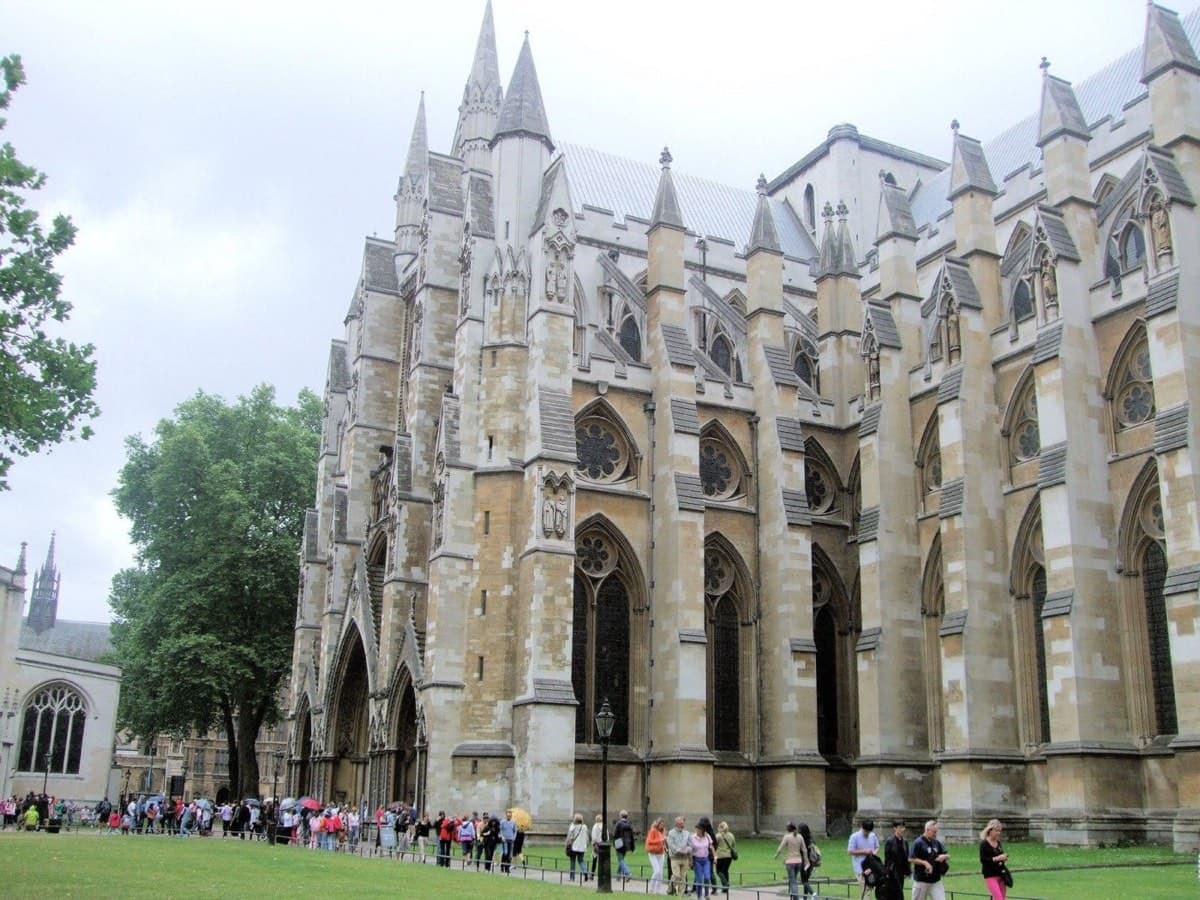
A medieval skeleton found inside a Roman stone coffin at Westminster Abbey in London has been tied to one of two early abbots, according to a new study by the abbey's consultant archaeologist, Warwick Rodwell. His paper, which appears in the British Archaeological Association's journal, weighs fresh radiocarbon dating and a re-examination of the bones. The identity is not confirmed, but the shortlist is now very short.
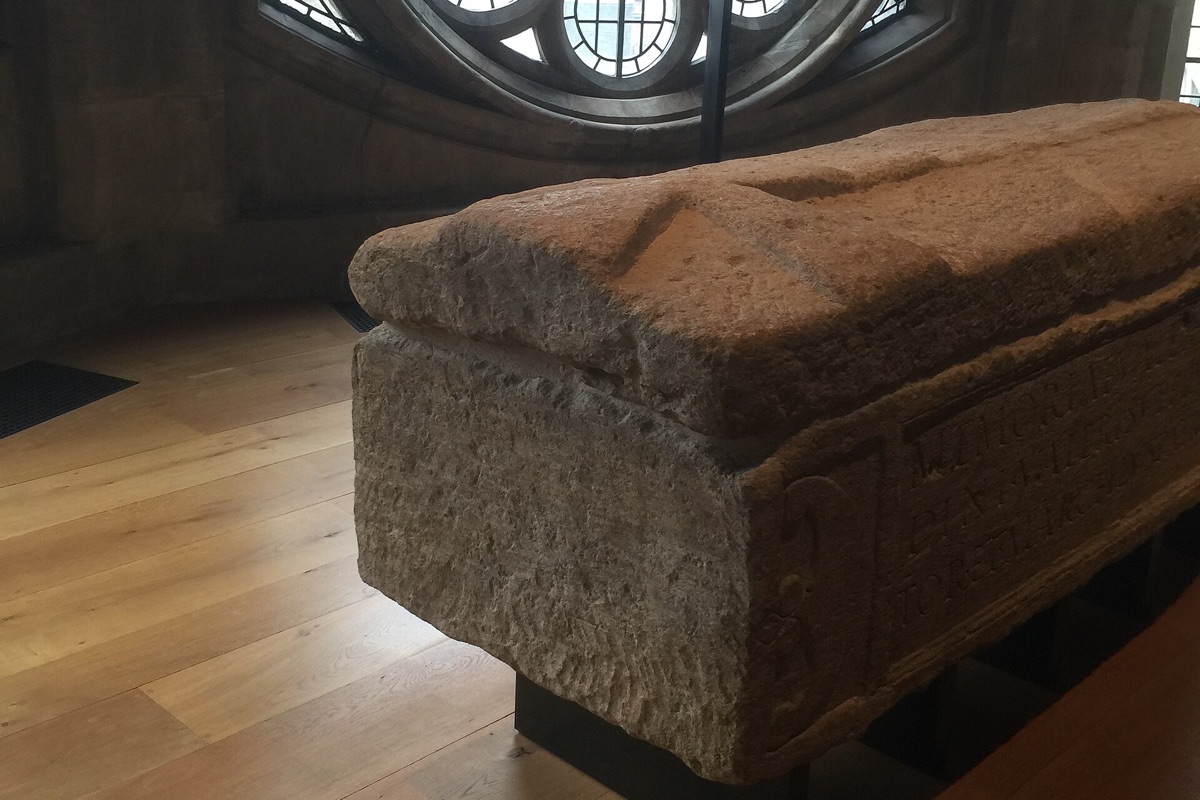
The limestone sarcophagus dates from the 4th century. A Latin inscription on it names Valerius Amandinus, a wealthy Briton said to have lived in Roman London between about 300 and 400 AD. Workmen broke into it in 1820, and it was dug out in 1869 from ground that had been the yard of a sacristy built by Henry III. The lid, however, carries a medieval Latin cross in a late Anglo-Saxon style. That mismatch has long suggested the coffin was reused for someone else.
What the new work shows
A bone sample dated by the Scottish Universities Environmental Research Centre came out at 987 to 1052 AD, which confirms the sarcophagus was reused in the late Saxon period, in the abbey's earliest decades. James Young Langthorne, an osteologist at Pre-Construct Archaeology, re-examined the skeleton and estimated that the man died aged between 35 and 49 and stood about 5ft 9in tall. The 19th-century anatomists Huxley and Thurnam had judged him to be "probably not more than thirty". Langthorne based his revision partly on osteoarthritis in the joints, and said the earlier estimate could be out by about two decades.
Rodwell argues that the sarcophagus and the large cross show the occupant was honoured with a fine burial, which he says should imply the man "was almost certainly an abbot". Two abbots fit the dates. Ælfwig was abbot from 993 until about 1020. His successor, Wulfnoth, served until 1049 and is assumed to have been laid to rest at the abbey.
A lean towards Ælfwig
Rodwell favours Ælfwig. "We have two viable contenders for the occupant of the sarcophagus," he said. He added: "The fact Aelfwig was already a monk of Westminster might favour him." Ælfwig was a Westminster monk when he was chosen as abbot, and Rodwell sees no evidence that he left the abbey, writing that "there can be little doubt that he was buried in his abbey." Rodwell concedes that the reasoning is deductive and partly speculative, and that little is known about Wulfnoth. Neither man's date of birth is recorded.
Gizmodo reported that the jumbled state of the bones, as recorded in 1869, is what looting usually leaves behind. Rodwell suggests the long bones may have been removed, the skull shifted to the opposite end of the coffin, and any metal or valuable objects taken.
The sarcophagus can be seen in the Queen's Diamond Jubilee Galleries at Westminster Abbey.